The allotment in July
The month the plot stops asking and starts giving, faster than you can keep up with. Picking becomes the main job, and the onions come out to dry.
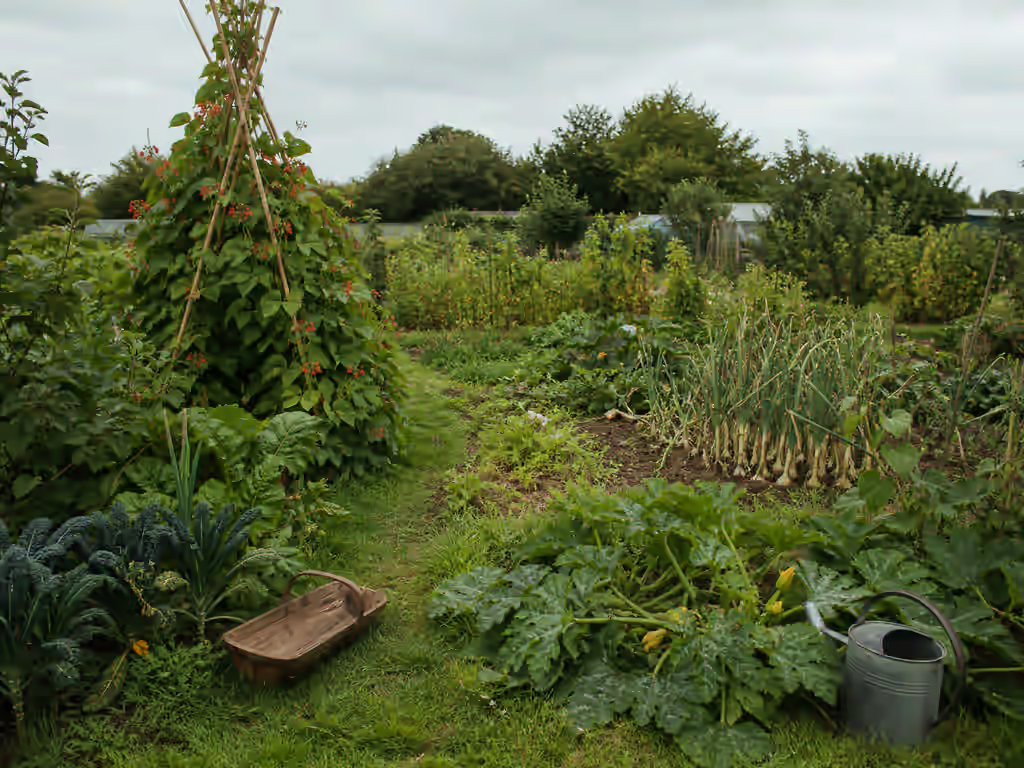
Picking is now the job. Go every other day for courgettes and beans, because two days late is a marrow and a stringy pod. Lift the onions once the tops bend over and dry them properly. Sow the last French beans, and keep the salad succession going for autumn.
What should you sow in July?
The window is closing but not shut. Everything here still has time to crop, and some of it is the best sowing of the year.
| Crop | Where | Depth | Spacing | Ready |
|---|---|---|---|---|
| Chard and perpetual spinach | Direct | 2cm | Thin to 25cm | Autumn, and again next April |
| French beans | Direct, first half of July | 5cm | 15cm apart | Late September |
| Beetroot | Direct | 2cm | 10cm apart | October |
| Carrots | Direct under fleece | 1cm | Thin to 5cm | October to November |
| Turnips | Direct | 2cm | Thin to 12cm | September |
| Salad leaves | Direct, in some shade | 1cm | Thin to 10cm | Five weeks |
| Spring onions | Direct | 1cm | Thin to 2cm | October |
| Oriental leaves and pak choi | Direct, from late July | 1cm | Thin to 20cm | September to November |
Oriental leaves sown before July bolt almost immediately. Sown from late July they are one of the most reliable autumn crops there is.
What should you plant out in July?
| What | When | Spacing | Worth knowing |
|---|---|---|---|
| Leeks | Up to the end of July | 15cm apart | Later plantings give smaller leeks, but they still stand all winter |
| Kale | Early July at the latest | 45cm apart | Firm hard and net the same day |
| Winter cabbage and savoy | Early July | 45cm apart | Goes into the ground the first earlies came out of |
| Purple sprouting broccoli | Only if not done in June | 60cm apart | Getting late. It will crop, but later and lighter |
What can you pick in July?
The list is long and it gets longer every week. This is where the glut starts.
| Crop | How often to pick | Worth knowing |
|---|---|---|
| Courgettes | Every other day | At 15cm they are a courgette. At 30cm they are a marrow nobody wants |
| Runner and French beans | Every two or three days | Picking hard keeps the plant flowering. Let pods swell and it stops |
| Peas | Every other day | The season is short. Clear the plants when they finish and sow something else |
| Second early potatoes | As needed | Lift a plant at a time rather than the whole row |
| Onions | Once the tops bend over | Do not bend the tops over yourself. Let them do it |
| Garlic | When the lower leaves yellow | Lift before the bulb splits its skin, usually early to mid July |
| Beetroot and carrots | As needed | Pull alternate roots and let the rest size up |
| Currants and raspberries | Every few days | Net them properly or you get nothing |
Which jobs matter most in July?
- Pick courgettes and beans every other day, without exception
- Lift the garlic as the lower leaves yellow, and the onions once the tops flop
- Dry both properly, somewhere airy and out of the rain, for two to three weeks
- Blanch and freeze surplus beans the same day they come off the plant
- Keep pinching tomato side shoots and stop the plants at four trusses outdoors
- Clear finished peas and broad beans, cut at ground level and leave the roots in
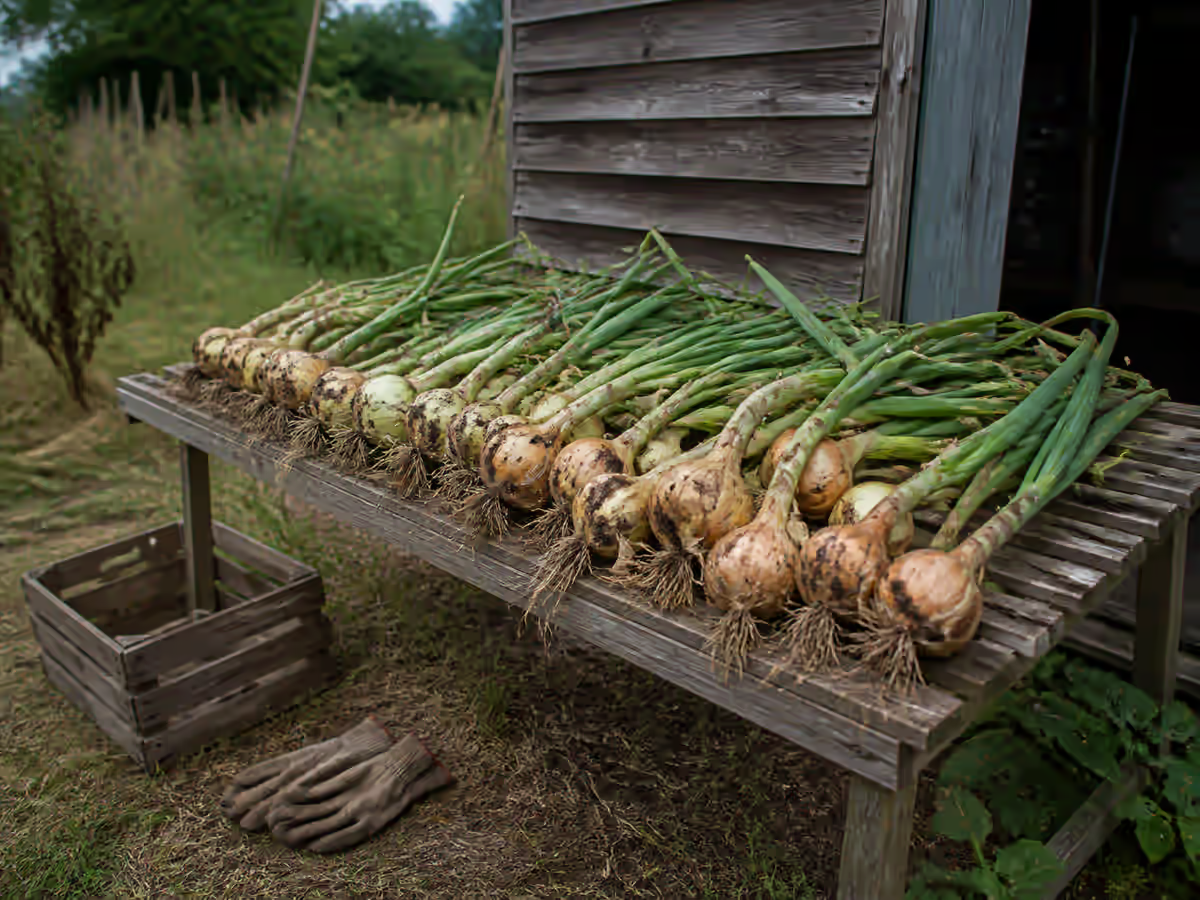
Getting the onions out and dried
Onions tell you when they are ready. The tops soften at the neck and fold over on their own, usually across a week or two in mid to late July. Wait for that. Bending them over yourself is old advice and it shortens how long they keep, because it seals the neck before the bulb has finished.
Ease them up with a fork so the roots break, then leave them on the surface for a few days if the weather is dry. After that they need somewhere airy and under cover: a bench in the shed, a rack, a pallet on bricks, anything that gets air all round them.
Two to three weeks of drying is what decides whether they keep until March or go soft in November. The neck should be papery and tight, and the skin should rustle. A thick soft neck means that one gets used first, because it will not store.
Once dry, cut the tops back to about 3cm, or plait them if the leaves are still flexible, and hang them somewhere cool and dry. Check the whole lot once a month and pull out anything soft before it takes its neighbours with it.
What is not worth doing in July?
Do not sow more courgettes or runner beans. Whatever you have is already producing more than you can eat, and anything sown now arrives at exactly the wrong moment.
Do not leave beds empty when the peas and broad beans come out. Chard, beetroot, salad, turnips and oriental leaves all still have time, and an empty July bed grows nothing but fat hen.
Do not water the potatoes. Once the foliage has closed over, the crop is made and watering mostly encourages blight in a humid month.
Questions that come up
The four asked most in July.
My courgettes have turned into marrows. What now?
Grate them, squeeze the water out and freeze in 250g bags for cooking. Do not try to freeze slices, they go to mush. Then pick every other day from now on, because a plant left with a marrow on it slows down and stops making new fruit.
When exactly do I lift garlic?
When the bottom two or three leaves have gone yellow and the rest are still green, usually early to mid July. Leave it much later and the bulb splits its wrapper in the ground and will not store.
My tomatoes have brown patches on the leaves and stems. Is it blight?
Probably, in a warm wet July. Outdoors there is no cure. Remove and bin affected foliage, never compost it, and pick everything that has any colour immediately to ripen indoors.
Should I stop the runner beans at the top of the canes?
Yes, pinch out the growing tip when they reach the top. It stops them making a tangle above your head where you cannot reach the pods, and pushes growth into side shoots lower down.
A nudge in May, when the glut is actually decided.
Sowing in three small batches instead of one large one. One email a month, at the point it helps.
One email a month. Unsubscribe any time. How we look after your details.
Where to go next
Too much of everything
What to do with it, and how to stop it happening next year.