Plan your plot. Grow all year.

Simple, practical guidance for UK half-plot growers who want to eat from the plot every month of the year.

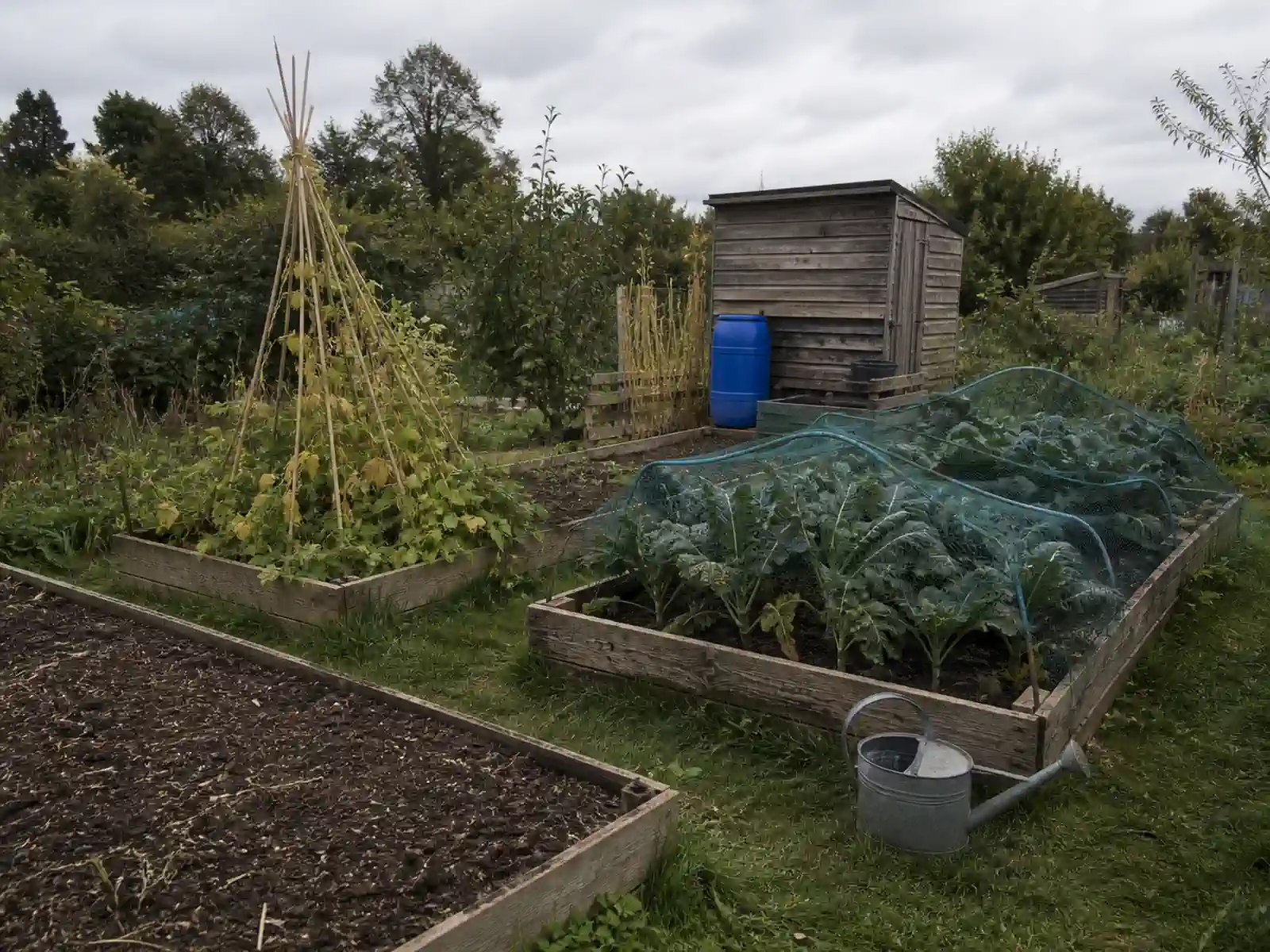
A British allotment half plot with four scaffold board raised beds, runner beans on a bamboo wigwam, netted brassicas, a blue water butt and a timber shed under an overcast sky.

Where are you on your plot?

Three ways in. Pick the one that sounds most like you.

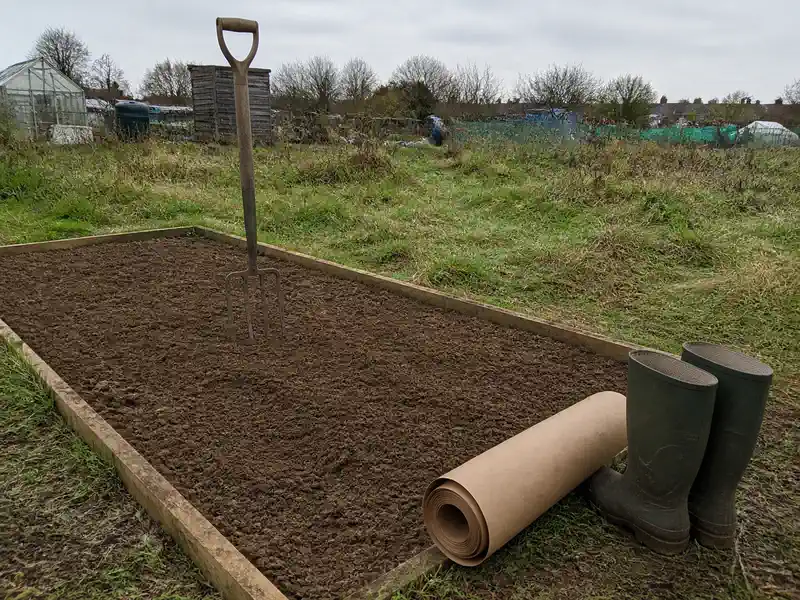
A single cleared and raked bed edged with scaffold board on a newly taken on allotment plot, with a fork standing in the soil, a roll of cardboard and muddy wellington boots beside it.

If you’ve just been handed the keys to a half plot and don’t know where to start, you’re in the right place.

You’ve got the basics. Now let’s make sure you’re eating from the plot in February too.

Even on a half plot you can simplify further. Here’s how we tightened our system last year.

New plot? Here is the whole thing in four steps.

It is a shorter list than you are expecting.

1

Clear a corner, not the whole plot

Pick one bed. Get it properly clean. The rest can wait under cardboard until you are ready.

2

Plan what you will actually eat

Grow what ends up on your plate. Skip the rest, however tempting the seed packet looks.

3

Sow your first five crops

Five is plenty for year one. Potatoes, beans, courgettes, salad and onions will carry you.

4

Keep it going through winter

A few sowings in late summer mean you are still picking something in February.

This takes a season, not a weekend.

Guides worth starting with

The ones to read first, whatever time of year you took the plot on.

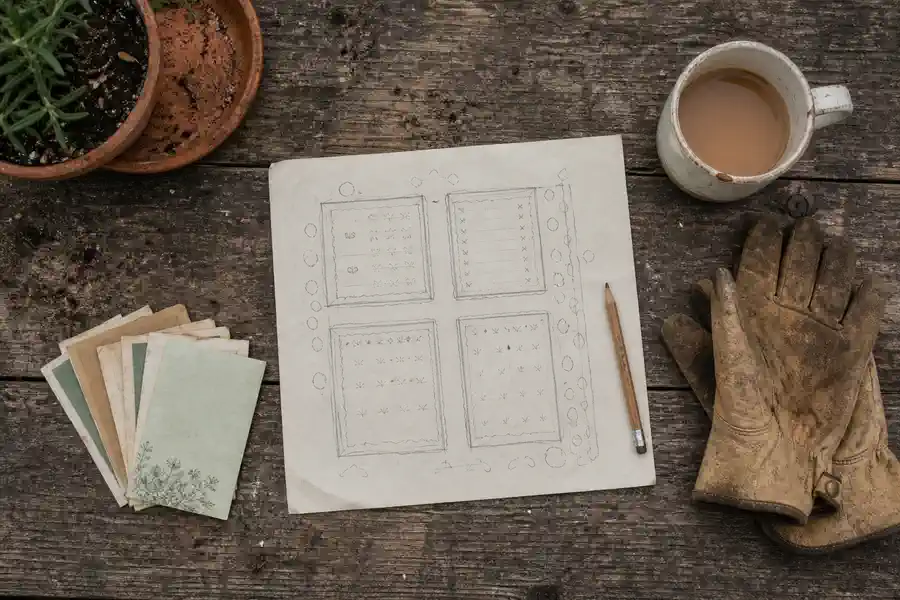
A hand drawn pencil plan of four allotment beds on a sheet of paper, with seed packets, a pencil, worn leather gloves and a mug of tea on a weathered wooden table.

One sheet of paper, four beds and a decision about what goes where. This is the planning method the rest of the site is built on, and it is the first thing to read.

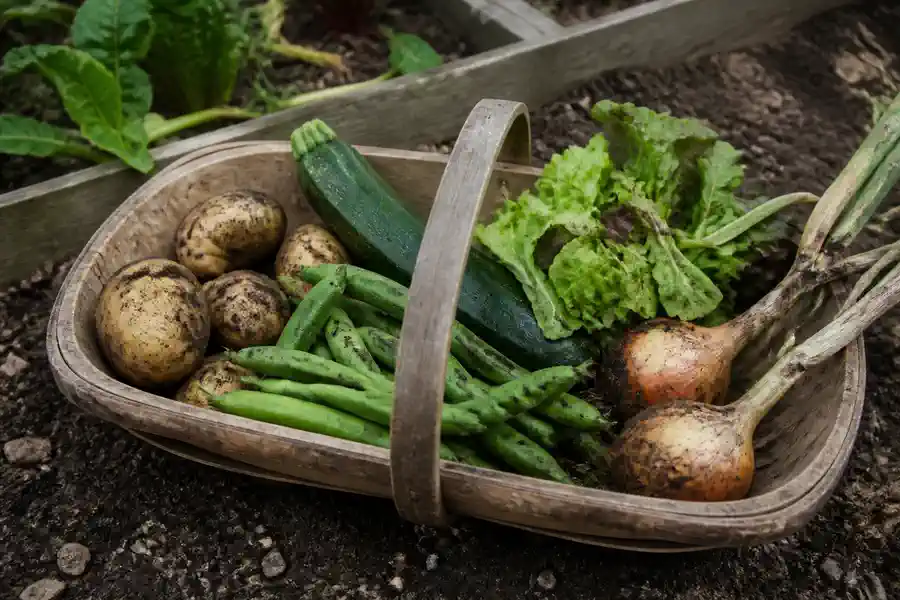
A wooden trug resting on bare soil holding unwashed potatoes, green beans, a courgette, loose salad leaves and two onions with their tops still attached.

Reliable, forgiving and genuinely worth the space on a half plot.

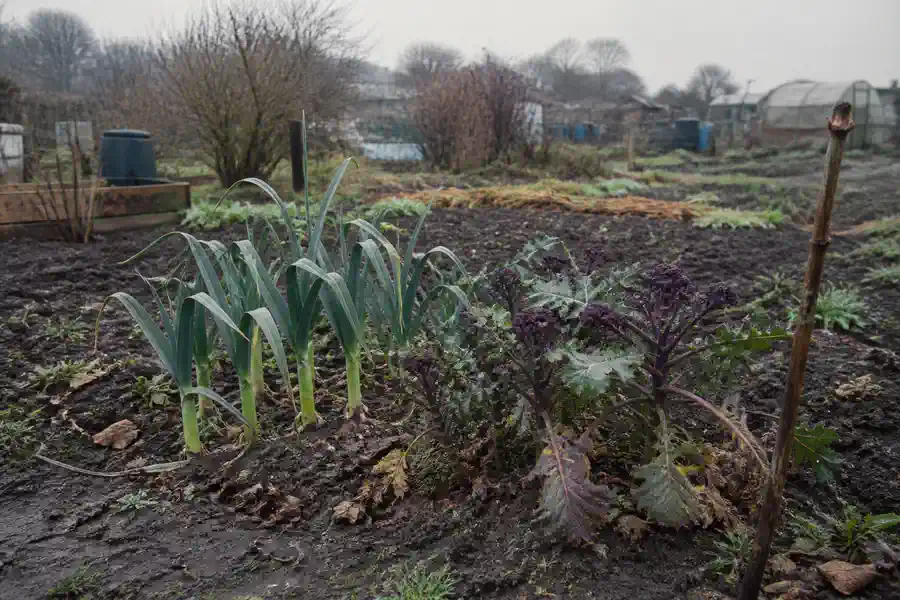
A short row of overwintered leeks and ragged purple sprouting broccoli standing in wet soil on a mostly bare allotment in April.

What to eat in April and May, when last year’s store has run out.

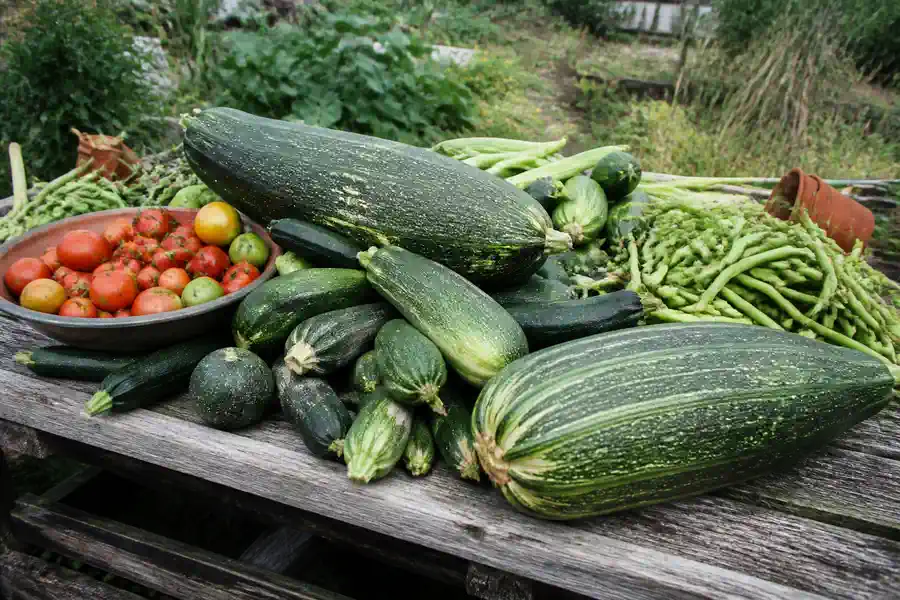
A weathered wooden bench piled with a summer glut of courgettes, two large marrows, runner beans and a bowl of ripe and half ripe tomatoes.

Courgettes, beans and tomatoes all at once. A calm way through it.

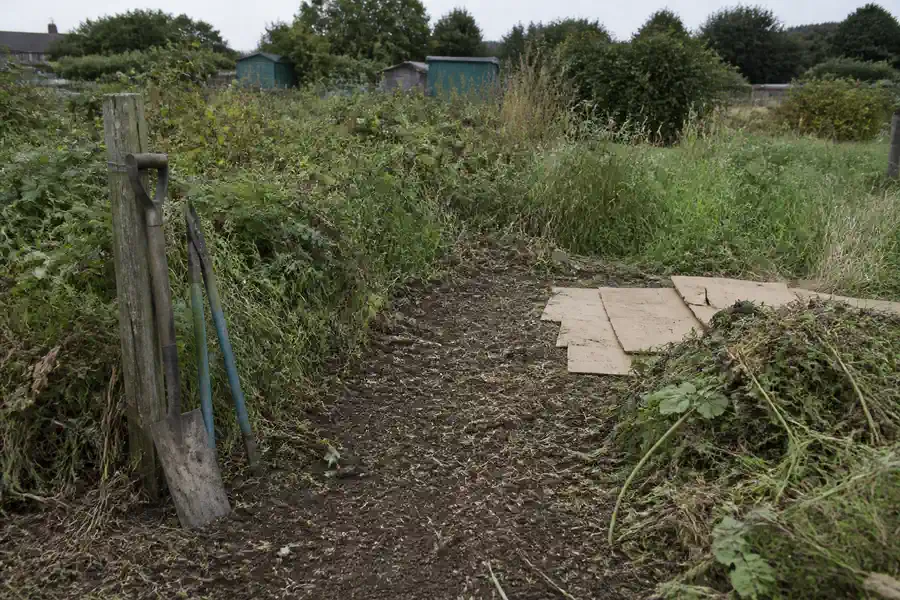
An overgrown allotment plot with waist high weeds and a narrow strip cleared to bare soil, cut weeds piled to one side, cardboard laid down and a spade leaning against a fence post.

How to take on waist-high weeds without wrecking your back or your enthusiasm.

A note from the plot, once a month.

What to sow, what to pick, and what I got wrong. One email at the start of each month. Nothing else, and you can leave whenever you like.

One email a month. Unsubscribe any time.

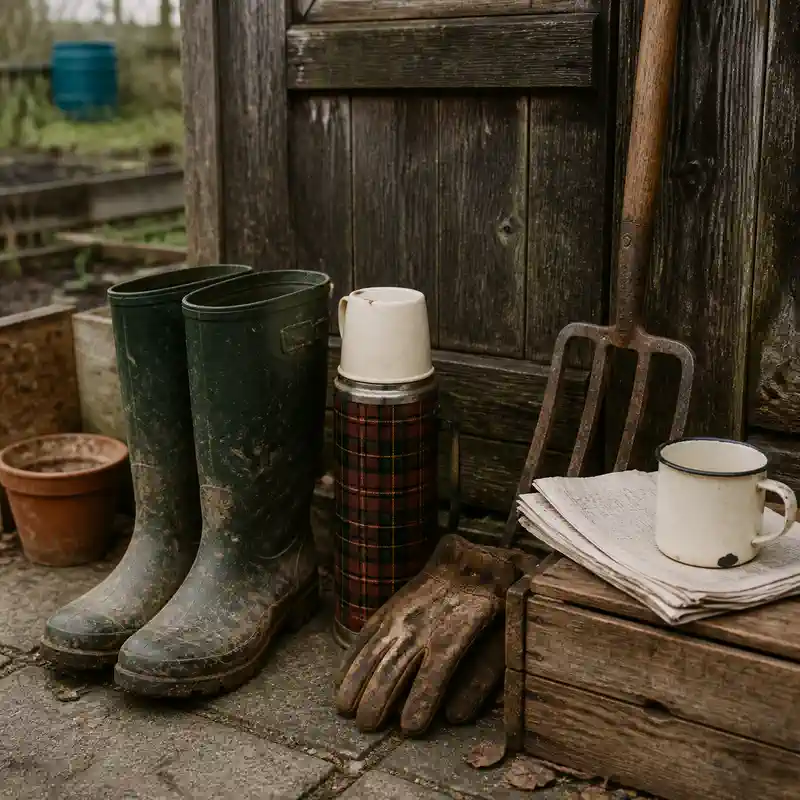
Muddy dark green wellington boots, a battered tartan vacuum flask, worn leather gardening gloves and a well used garden fork beside a weathered allotment shed door.

Who is behind this

I took on a weedy half plot eight years ago with no real idea what I was doing. I lost most of the first summer to bindweed and grew about forty courgettes that nobody wanted.

Everything here is what I wish someone had told me then: written plainly, scaled for half a plot rather than a smallholding, and honest about how long things actually take. I still get plenty wrong, and I will tell you when I do.