The allotment in June
The month the plot finally pays you back. First early potatoes come out, the broad beans are in full flow, and everything planted in May doubles in size.
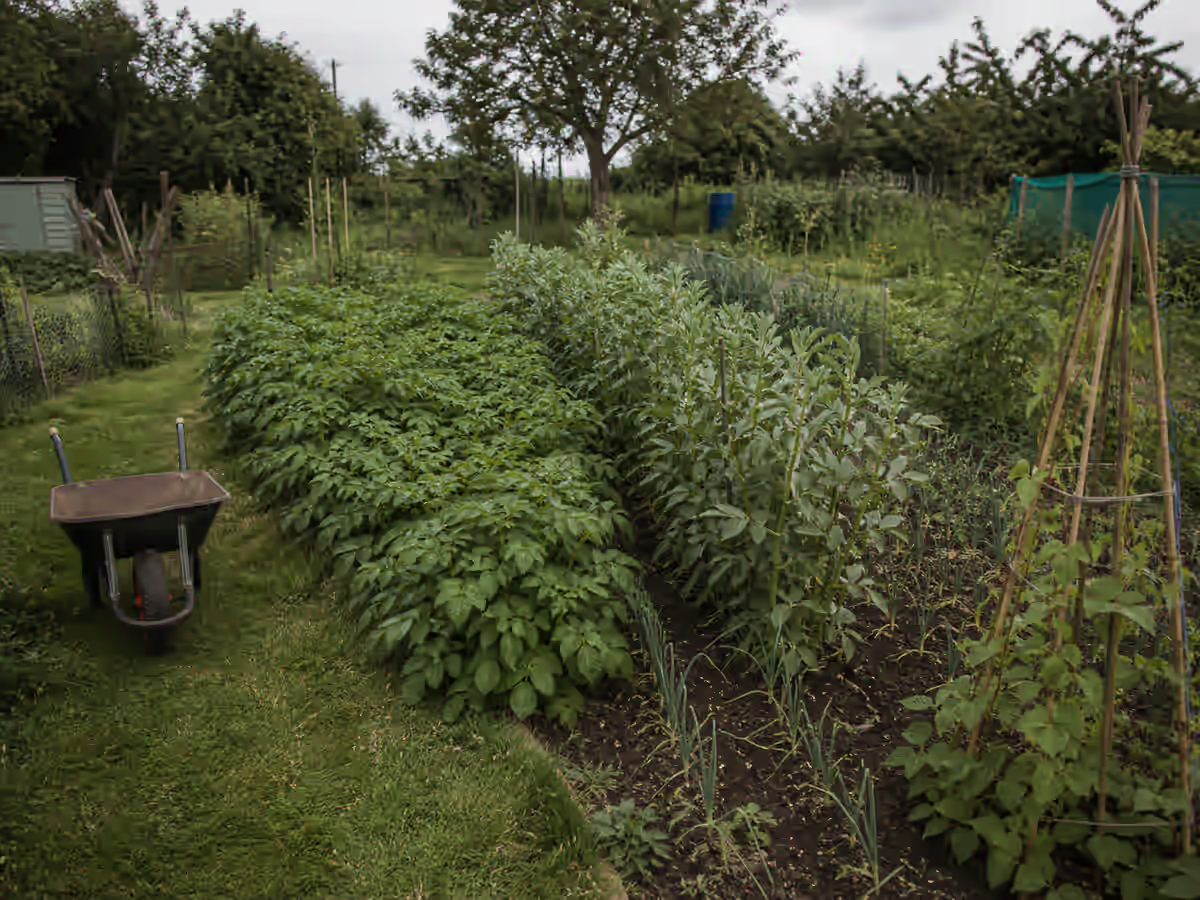
Lift the first early potatoes from about the third week. Plant leeks and the winter brassicas into the ground the potatoes came out of. Sow the second batch of beans and keep the salad succession going. Stop cutting asparagus and pulling rhubarb on 21 June.
What should you sow in June?
The second half of the year starts here. Anything sown now still has time, but the window narrows quickly after this month.
| Crop | Where | Depth | Spacing | Ready |
|---|---|---|---|---|
| Runner and French beans | Direct, the second batch | 5cm | 20cm at each cane | September to October |
| Beetroot | Direct | 2cm | 10cm apart | August |
| Carrots | Direct under fleece | 1cm | Thin to 5cm | September onward |
| Salad leaves | Direct, every three weeks | 1cm | Thin to 10cm | Five weeks |
| Chard and perpetual spinach | Direct | 2cm | Thin to 25cm | Autumn, and again next spring |
| Swede | Direct, first half of the month | 2cm | Thin to 25cm | October to January |
| Turnips | Direct | 2cm | Thin to 12cm | August |
| Kale | Seedbed, last chance | 1cm | Plant out July | November to May |
| Peas, for autumn | Direct, early June | 4cm | 7cm apart | September |
Chard sown now is one of the highest value sowings of the year. It crops this autumn, stands the winter and gives you leaves again in the hungry gap.
What should you plant out in June?
The potato bed empties this month and the winter crops go straight into it. That handover is what keeps a half plot productive all year.
| What | When | Spacing | Worth knowing |
|---|---|---|---|
| Leeks | From the seedbed, all month | 15cm apart, rows 30cm | Dib a 15cm hole, drop the leek in, fill with water only. Do not backfill with soil |
| Purple sprouting broccoli | Mid June | 60cm apart | Firm in with your heel until the plant will not pull out. Loose brassicas blow over in autumn |
| Kale | Mid June | 45cm apart | Same treatment. Firm hard, water in, net the same day |
| Winter cabbage and savoy | Mid to late June | 45cm apart | Follows the first early potatoes into the same bed |
| Courgettes and squash | Early June, if you waited | 90cm apart | Still time. They catch up fast in warm soil |
What can you pick in June?
The first proper month of picking, and the relief after April is considerable.
| Crop | How it is doing | Worth knowing |
|---|---|---|
| First early potatoes | From about the third week | Lift a whole plant and see. If they are marble sized, leave the rest a fortnight |
| Broad beans | At their best | Pick from the bottom up, while the scar on the bean is still white or green |
| Peas | Starting | Pick every other day. Two days late and they are floury |
| Salad and rocket | In full flow | Cut and come again, leaving 3cm of stump |
| Beetroot | From late June | Pull at golf ball size. Bigger is not better |
| Strawberries | At their best | Net them or you are growing them for blackbirds |
| Gooseberries | Ready | Thin early to get bigger fruit, and cook the thinnings |
| Asparagus and rhubarb | Until 21 June | After that, stop. Both need the rest of summer to build next year s crop |
Which jobs matter most in June?
- Stop cutting asparagus and pulling rhubarb on 21 June, and feed both
- Dib the leeks in and water them in without backfilling the hole
- Net every brassica the same day it goes in the ground
- Pinch out tomato side shoots weekly, and tie the main stem in as it grows
- Water new plantings well once a week rather than a little every visit
- Sow the second batch of beans and the next short row of salad
Lifting the first earlies, and what goes in behind them
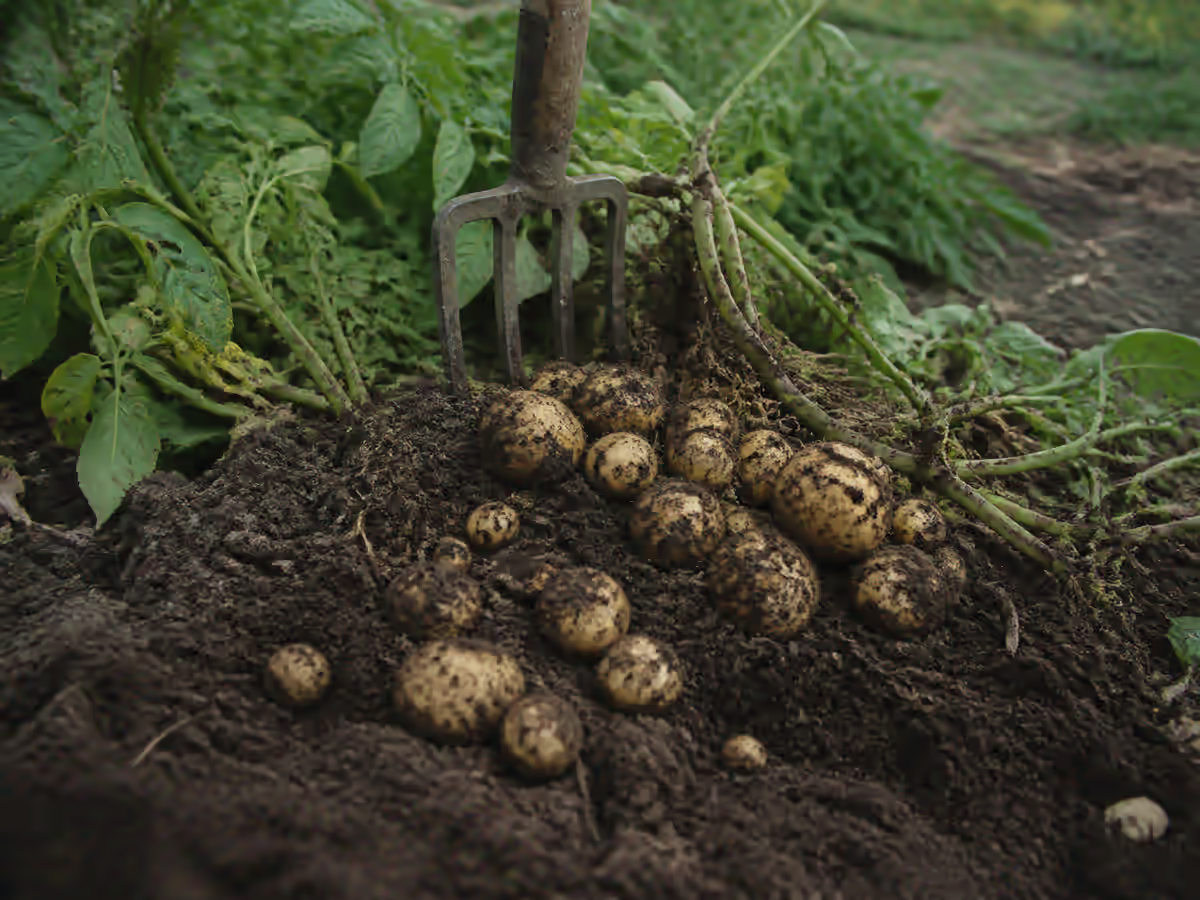
First earlies are usually ready ten to twelve weeks after planting, which for a mid March planting means the third or fourth week of June. The flowers are a rough guide rather than a rule. The reliable test is to scrape the soil away from one plant with your hand and look.
If the tubers are egg sized, lift that plant and try it. If they are marble sized, cover it back up and leave the row a fortnight. There is no hurry and no harm in waiting, and first earlies do not store anyway, so the ground is the best place for them until you want them.
Lift with a fork pushed in well away from the stem, at least 30cm out, and lever upward rather than digging down through the middle of the crop. Go through the soil with your hands afterwards. Every tuber you leave behind comes up as a volunteer next year in the wrong bed and carries blight over the winter.
Then get something into the gap the same week. A bed cleared in late June and left empty until spring is nine months of nothing. Leeks, purple sprouting, kale and winter cabbage all want planting now and all follow potatoes perfectly, because the potato foliage has left the ground clean and weed free.
What is not worth doing in June?
Do not leave the potato bed empty. It is the single biggest waste of space on a half plot, and June is exactly when the winter crops want to go in.
Do not sow purple sprouting now if you missed May. A June sowing is marginal and a July one will not make a plant big enough to crop properly. Sow kale instead, which is faster and far more forgiving.
Do not water everything. New plantings and anything in a pot need it. Established potatoes, beans and brassicas have roots and will find water further down. Watering them all takes an hour a visit you do not have.
Questions that come up
The four asked most in June.
How do I know when first earlies are ready?
Scrape the soil away from one plant and look. Egg sized means lift, marble sized means wait a fortnight. Flowering is only a rough signal and some varieties barely flower at all.
Why do I water leeks into the hole but not backfill it?
Because the hole is what makes the long white shank. The soil falls back in slowly over the summer and blanches the stem as it goes. Backfill it now and you get a short green leek.
Why stop cutting asparagus and rhubarb on 21 June?
Both are perennials, and they spend the second half of summer building the crown for next year. Keep cutting into July and you get a weaker crop next spring and a shorter lived plant.
My broad beans have brown blotches on the pods. Are they still edible?
Yes. Chocolate spot is a fungal blotch, common in a wet spring, and it does not affect the beans inside. Pick as normal, clear the plants when they finish, and do not compost heavily affected foliage.
The handover months are the ones worth getting right.
What comes out, what goes in behind it, and when. One email a month.
One email a month. Unsubscribe any time. How we look after your details.
Where to go next
Before the glut arrives
July and August are about to bury you. This is how to handle it.