The allotment in May
The busiest month of the year, and the one that quietly decides what you eat next April. Everything wants sowing, planting out and watering at once.
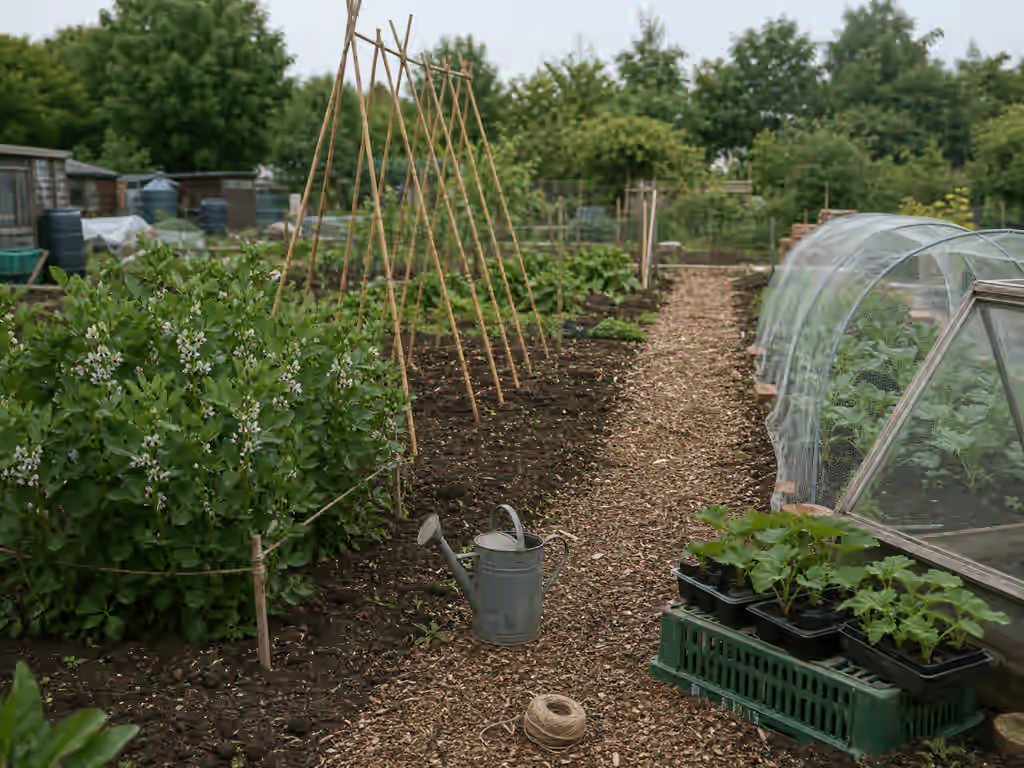
Sow beans, sweetcorn, squash and the main salad succession. Plant out at the very end of the month, once the frost risk has gone. Most importantly, sow purple sprouting broccoli and kale now, because they are what stands on the plot next April when there is nothing else.
What should you sow in May?
The soil is warm and everything germinates fast. Beans sown direct now overtake beans started indoors in April.
| Crop | Where | Depth | Spacing | Ready |
|---|---|---|---|---|
| Runner beans | Direct, from mid May | 5cm | 20cm apart at the foot of each cane | Late July onward |
| French beans | Direct, from mid May | 5cm | 15cm apart, rows 45cm | Late July |
| Sweetcorn | Direct or modules | 2cm | 35cm apart in a block, not a row | Late August |
| Courgettes and squash | Direct under a jar, or modules | 2cm, on edge | 90cm apart | July onward |
| Purple sprouting broccoli | Seedbed or modules | 1cm | Thin to 5cm, plant out June | February to April, next year |
| Kale | Seedbed or modules | 1cm | Thin to 5cm, plant out June | November to May, next year |
| Beetroot | Direct | 2cm | 10cm apart | July |
| Carrots | Direct under fleece | 1cm | Thin to 5cm | August |
| Salad leaves | Direct, a short row every three weeks | 1cm | Thin to 10cm | Five weeks |
| Swede | Direct | 2cm | Thin to 25cm | October |
The purple sprouting and kale rows are the two that matter most on this whole page, and they are the two everybody skips.
What should you plant out in May?
Harden everything off for a week to ten days first. A plant taken straight from a windowsill to open ground checks badly and takes a fortnight to recover.
| What | When | Spacing | Worth knowing |
|---|---|---|---|
| Courgettes | End of May, after the last frost | 90cm apart | One plant is enough for most households. Two is a fortnight of giving them away |
| Runner and French beans | End of May | 20cm apart at each cane | Build the frame before you plant, not after |
| Sweetcorn | End of May | 35cm apart in a block | A block pollinates. A single row does not, and you get gappy cobs |
| Summer brassicas | Any time this month | 45cm apart | Firm in hard, water in, then net the same day |
| Tomatoes, outdoor | End of May | 45cm apart | Outdoor varieties only. Greenhouse types outdoors get blight |
What can you pick in May?
The gap breaks in the last week of the month, and it breaks quickly.
| Crop | How it is doing | Worth knowing |
|---|---|---|
| Asparagus | At its best | Stop cutting on 21 June, whatever is left. The plant needs the rest of the summer to build next year |
| Rhubarb | At its best | Stop pulling by about the end of June for the same reason |
| Broad beans, autumn sown | From late May | Pick from the bottom of the plant upward |
| Salad and rocket | Coming in properly | Cut across the top and leave 3cm. It regrows two or three times |
| Radish | Ready | Pull them small. Left in the ground they go hot and woody in days |
| Spring onions | Ready | Use them as thinnings before they get big |
| Spring cabbage | Finishing | Cut the last of them and leave the stumps for a flush of greens |
Which jobs matter most in May?
- Build the bean frame before the beans are ready to go out
- Earth up the potatoes for the last time before the foliage closes over
- Harden off everything indoors over a week, a bit longer outside each day
- Water new plantings only. Established crops have roots and can find their own
- Net brassicas the same day you plant them, not the week after
- Pinch out the tops of broad beans once the first pods set, to duck the blackfly
The sowing that decides next April
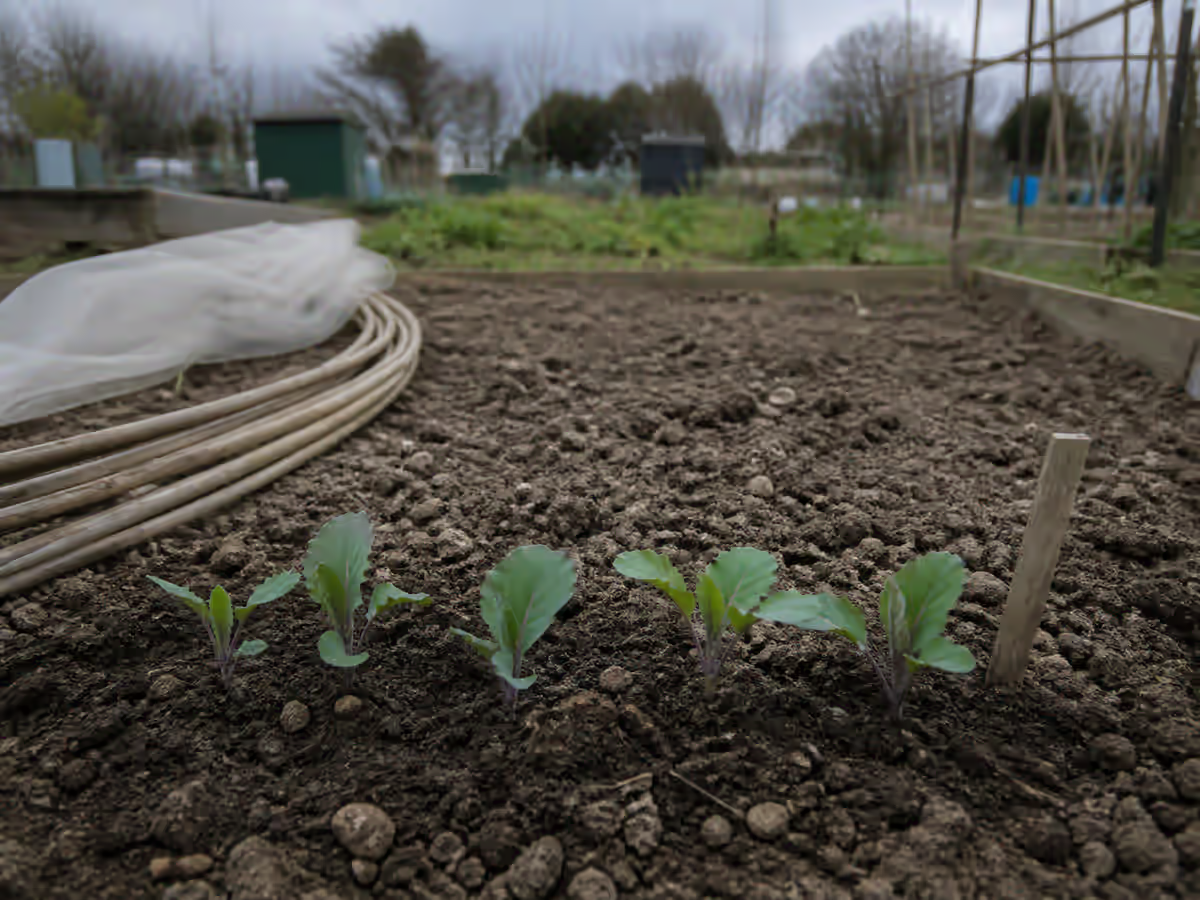
If you do one thing on the plot this month, sow a short row of purple sprouting broccoli and a short row of kale. Not because May needs them, but because April does.
The reason April is bare on most half plots is that nothing was sown for it eleven months earlier. Purple sprouting takes ten to eleven months from seed to spear. Kale takes about six. Neither can be hurried, and neither can be started in spring for the same spring.
Sow thinly in a seedbed or two seeds per module. Ten plants of each is plenty for a half plot and will take up about half of one bed from June onward. Plant them out in June at 60cm apart, firm them in hard, and net them properly, because pigeons will otherwise strip them in November when there is nothing else about.
Then forget about them until February. That is the whole trick. The hungry gap is not solved in April by clever sowing. It is solved in May by a twenty minute job that feels pointless at the time.
What is not worth doing in May?
Do not plant tender crops out at the start of the month. Late May is the safe point in most of the country, and the first week of June in the north. A fortnight of patience beats three weeks of starting again.
Do not sow all the beans in one go. Half in May and half in mid June gives you beans from late July to the first frost, instead of a fortnight of gluts followed by stringy pods.
Do not water what does not need it. Established beds have roots deeper than the top few centimetres. Watering them wastes an hour a visit and encourages shallow rooting.
Questions that come up
The four asked most in May.
When exactly can I plant out courgettes and beans?
When the last frost date for your area has passed, which is late May for most of England and early June further north. If in doubt, wait a week. Nothing tender gains anything from going out early and everything risks dying.
My broad beans are covered in blackfly. What do I do?
Pinch out the top 8cm of each plant once the first pods have set. Blackfly go for the soft growing tip, and removing it takes away both the thing they want and the growth the plant no longer needs. Squash what is left with your fingers.
Do I really need to net brassicas?
Yes, and from the day they go in. Cabbage white butterflies lay from late May, and pigeons work all year. An unnetted brassica bed on a half plot is a bed grown for something else to eat.
Is it too late to sow purple sprouting?
May is exactly right. Early June still works. By July it is too late to make a plant big enough to stand the winter and crop properly the following spring.
A reminder in the week the job actually matters.
The May sowings, the August sowings, and the ones it is genuinely too late for. Once a month.
One email a month. Unsubscribe any time. How we look after your details.
Where to go next
Next month
Planting out the winter brassicas and lifting the first early potatoes.
Why this month matters most
The full explanation of the April gap and every fix for it.