Storing what you grow, through to spring
The half of growing that decides whether you eat from the plot in February. Mostly it is drying properly and then leaving things alone.
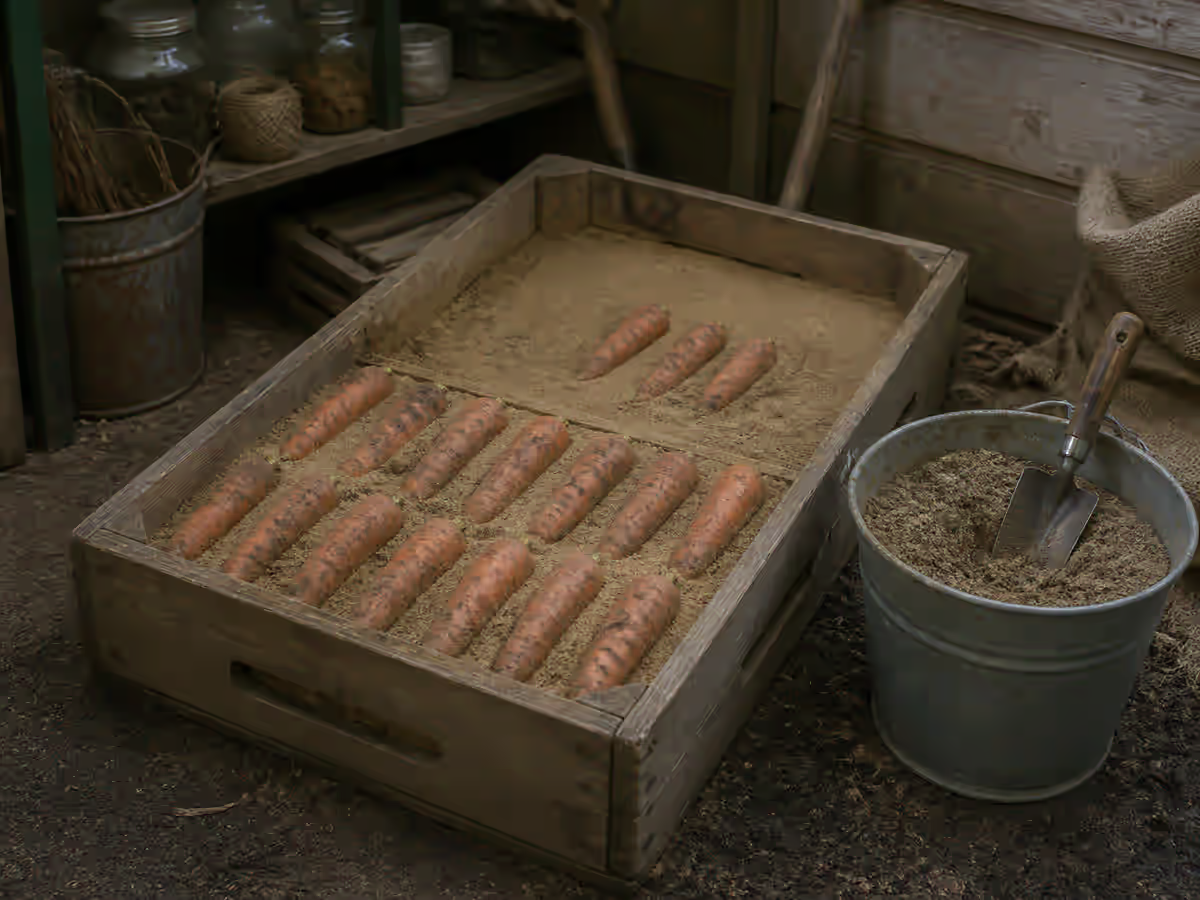
Dry onions and garlic for two to three weeks, cure squash for ten days, keep potatoes in paper sacks in the dark, and layer carrots and beetroot in damp sand. Leave leeks, parsnips and swede in the ground. Check everything monthly and remove anything soft.
How long do things realistically keep?
End dates are for a cool dry shed or an unheated room, around 5C to 10C. A heated house roughly halves every one of them.
| Crop | How to store it | Lasts until | The thing that ruins it |
|---|---|---|---|
| Garlic | Plaited or netted, cool and dry, hung up | May, sometimes June | Damp. It goes mouldy rather than sprouting |
| Onions | Dried 2 to 3 weeks, then netted or plaited | March | A thick soft neck. Those never keep |
| Potatoes | Paper or hessian sacks, completely dark, frost free | March | Light, which greens them, and damp, which rots them |
| Winter squash | Cured 10 days, then somewhere 12C to 15C | February | A short cut stem, which rots at the wound |
| Carrots | Tops off, layered in barely damp sand | February | Washing them first, and any damaged root in the box |
| Beetroot | Tops twisted off, layered in damp sand | February | Cutting the tops rather than twisting, which makes them bleed |
| Apples | Wrapped singly in newspaper, in a tray | January | One bad fruit touching its neighbours |
| Beans, frozen | Blanched 2 minutes, cooled, frozen flat | 12 months | Freezing them 3 days after picking rather than the same day |
Leeks, parsnips, swede, kale and Jerusalem artichokes all store better in the ground than anywhere else. Lift them as you want them.
Drying onions and garlic, which is the step people rush
This one job decides whether the onion bed feeds you until March or goes soft in November.
- Wait for the tops to fold over on their own. Never bend them over yourself
- Ease them up with a fork so the roots break, and leave them on the surface for a few dry days
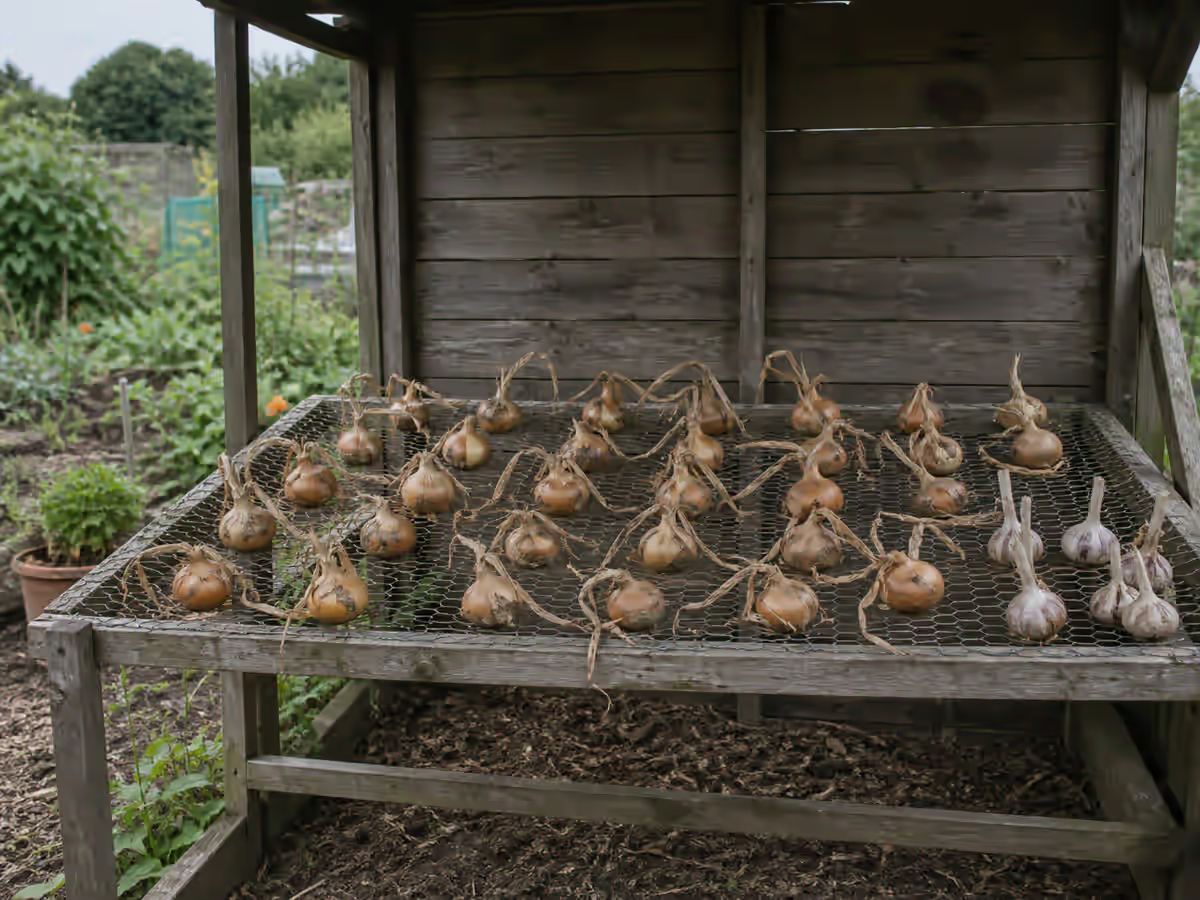
- Move them somewhere airy and under cover: a rack, a bench, a pallet on bricks
- Give them two to three full weeks. This is the part that gets cut short
- They are ready when the neck is papery and tight and the skins rustle
- Cut tops to 3cm, or plait while the leaves are still flexible, then hang somewhere cool and dry
Any bulb with a thick soft neck will not keep however long you dry it. Put those in the kitchen first and do not waste storage space on them.
Damp sand, and why it works
Carrots and beetroot lifted and left in an open box shrivel within a fortnight, because they lose water through the skin faster than anything else you store.
Layering them in barely damp sand solves it. The sand holds enough humidity that the roots do not dehydrate, but not enough for them to rot, and it keeps each root separated so a single bad one does not spread.
Use a wooden or plastic box, a layer of sand, a layer of roots not touching each other, another layer of sand, and so on. Old potting compost or coir works just as well as sand if that is what you have.
Do not wash them first. Washing damages the skin and the water on the surface starts the rot. Knock the loose soil off and store them dirty.
Cut carrot tops off cleanly at the shoulder, but twist beetroot tops off with your hands rather than cutting, because a cut beetroot bleeds and softens.
What is genuinely worth freezing?
The freezer is finite, so it is worth being selective rather than filling it with things that come out disappointing.
Worth it. Runner and French beans, sliced, blanched two minutes, cooled in iced water, drained and frozen flat on a tray before bagging. Twenty minutes at the sink handles a whole trug and those beans are genuinely good in January. Broad beans the same, if podded young. Tomatoes roasted whole with a little oil and frozen as sauce, which takes two mostly unattended hours. Soft fruit, frozen on a tray then bagged.
Only for cooking. Courgettes grated, squeezed dry and frozen in 250g bags. Never freeze slices, they thaw to mush.
Not worth it. Whole cucumbers, salad leaves, radish and anything you would eat raw. Potatoes and onions, both of which store better as they are. Whole tomatoes, which collapse.
The timing matters more than the method. Beans blanched the day they come off the plant are worth eating. The same beans frozen three days later are not, because the sugars have already turned to starch.
What goes wrong in store?
| Problem | What happened | How to avoid it next time |
|---|---|---|
| Onions soft by November | Not dried long enough, or thick necked at lifting | Give them the full three weeks. Eat thick necked ones first |
| Potatoes green | Light got to them | Paper or hessian sacks, never clear plastic, and complete darkness |
| Potatoes rotting in the sack | Bagged damp, or one damaged tuber included | Lift on a dry day, dry the skins, and reject anything speared by the fork |
| Squash soft by Christmas | Not cured | Ten days somewhere warm and dry before it goes into store |
| Carrots shrivelled | Stored in open air | Layer in damp sand |
| Whole box of roots gone | One rotting root spread through the box | Check monthly, and never store anything damaged |
| Garlic mouldy | Stored somewhere damp | Cool and dry, hung up with air all round it |
Questions that come up
The five asked most about storing.
Can I store things in the shed over winter?
For most things yes, as long as it stays frost free and dry. Potatoes need to be frost free, which a thin shed may not be in a hard winter, so wrap the sacks in old blankets or bring them indoors. Squash should not go in a shed at all, because it wants around 12C to 15C.
Why should I not wash vegetables before storing?
Washing damages the skin and leaves surface water behind, and both start rot. Knock the loose soil off and store them dirty. Wash them when you come to use them.
How often should I check the store?
Once a month is enough. Pull out anything soft, sprouting or mouldy immediately. One bad onion or potato spreads to its neighbours quickly, and a monthly ten minute check saves whole boxes.
My potatoes have started sprouting. Are they still good?
Yes, rub the sprouts off and use them. Sprouting means the store is too warm or too light. They are fine to eat until they go soft or green, but they will not keep much longer once they start.
Is it worth buying a chest freezer for the allotment harvest?
On a half plot, usually not. What you actually gain is a few kilos of beans and some tomato sauce, and a freezer costs money to run all year. A drawer or two of an ordinary freezer covers most of what is genuinely worth freezing.
Written by Sam
Eight years on a half plot in Nottinghamshire. Four beds, two water butts, about two hours a week, and most of what is on this site tried twice before it worked. Dates here suit most of England and Wales, because that is where the plot is. Where a page makes a claim you could check for yourself, it links to the source.
What you store in October is what you eat in February.
One email a month on eating from a half plot all year, not just in August.
One email a month. Unsubscribe any time. How we look after your details.
Where to go next
The lean months
What stored crops actually reach April, and what runs out.