The allotment in September
The turn. The glut eases, the light goes noticeably in the last fortnight, and every bed you clear from now on is a decision about next spring rather than this year.
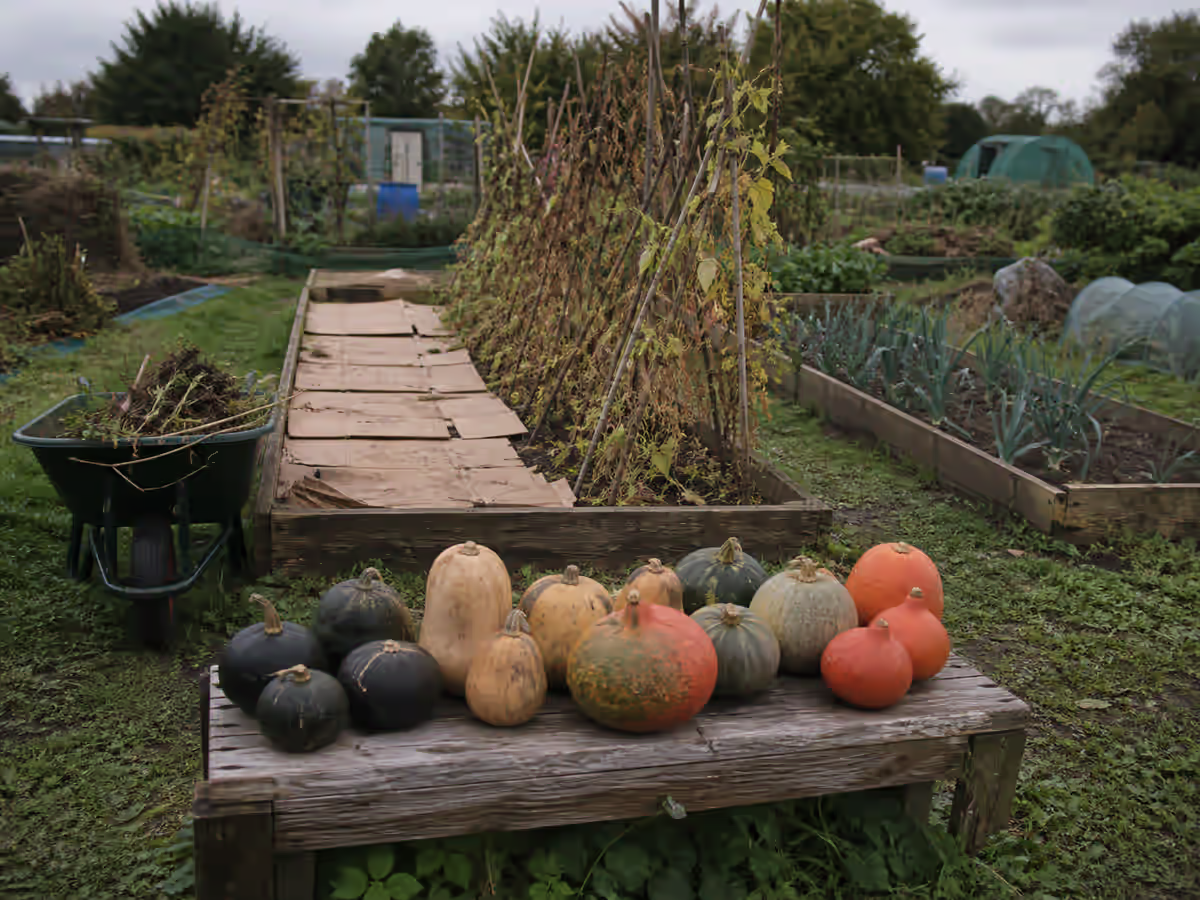
Lift maincrop potatoes and cure the squash. Plant out the spring cabbage sown in August. Sow overwintering salad, land cress and green manure into beds as they empty, and cover anything you are not sowing. Do not leave bare soil going into winter.
What should you sow in September?
A short list, and all of it is for winter and the far side of it. Sow into beds as they clear rather than waiting until everything is finished.
| Crop | Where | Depth | Spacing | Ready |
|---|---|---|---|---|
| Overwintering salad | Direct, first half of the month | 1cm | Thin to 15cm | October, then again March |
| Land cress | Direct | 1cm | Thin to 15cm | Right through winter |
| Corn salad | Direct | 1cm | Thin to 10cm | November to April |
| Winter lettuce | Direct or modules, under cover | 1cm | Thin to 20cm | March and April |
| Spinach, winter varieties | Direct, early September | 2cm | Thin to 15cm | October, then again spring |
| Green manure | Broadcast on any cleared bed | Rake in | Scattered | Cover or turn in during spring |
| Broad beans, early sowing | Direct, very end of the month in the south | 5cm | 20cm apart | Late May |
Everything sown from here on grows slowly, stops around the shortest day, and then races away again in February.
What should you plant out in September?
| What | When | Spacing | Worth knowing |
|---|---|---|---|
| Spring cabbage | First half of the month | 15cm apart | The close spacing is deliberate. Cut alternate plants as greens in March |
| Overwintering onion sets | All month | 10cm apart, rows 30cm | Ready in June, a good six weeks before spring planted sets |
| Strawberry runners | Early September at the latest | 40cm apart | Later than this and they do not root before the cold |
| Autumn planted garlic | From late September in the north | 15cm apart | October is the main month, but northern plots can start now |
What can you pick in September?
Still one of the fullest months of the year, and the last of the summer crops overlap with the first of the winter ones.
| Crop | How it is doing | Worth knowing |
|---|---|---|
| Maincrop potatoes | Ready | Lift on a dry day, leave on the surface two hours, then bag in paper or hessian |
| Winter squash | From late September | Leave a good long stalk. A squash cut short at the stem rots where the stalk was |
| Runner and French beans | Finishing | Keep picking. They crop until the first frost |
| Tomatoes | Finishing | Pick everything with any colour before the nights turn |
| Sweetcorn | Ready | Pick and cook the same day. The sugars turn to starch within hours |
| Leeks | Starting | Lift the biggest first and leave the rest to size up |
| Beetroot and carrots | Ready | Lift the main crop for storing at the end of the month |
| Autumn raspberries | At their best | They go on until the first proper frost |
Which jobs matter most in September?
- Lift maincrop potatoes on a dry day and let the skins dry before bagging
- Cure squash somewhere warm and dry for about ten days before storing
- Plant out the spring cabbage from the August sowing
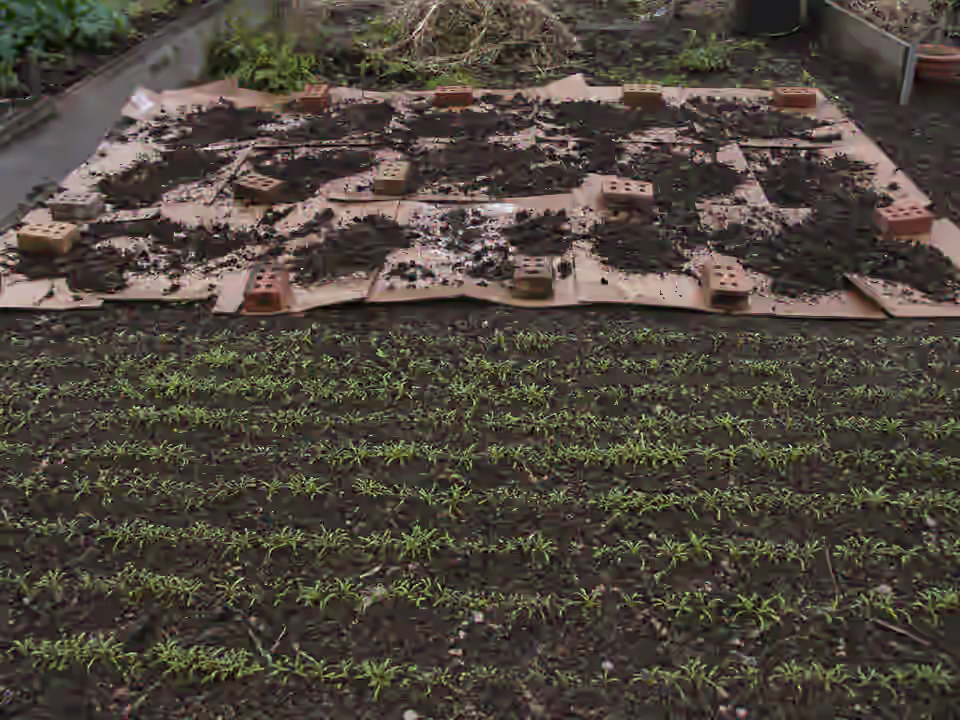
- Cover every bed you are not sowing, with cardboard, compost or green manure
- Cut down the finished bean and pea plants but leave the roots in the ground
- Order garlic now if you have not. The good varieties go by October
Nothing goes into winter bare
This is the month the habit is set. Every bed that finishes between now and November gets covered, sown or mulched within the week, and none of them is left as bare soil.
Bare soil over a British winter does three things, all bad. Rain washes nutrients straight through it and out of reach. The surface caps and slumps, so you start spring with a bed that needs breaking up. And every weed seed in the top few centimetres gets a clear run at an empty bed with no competition.
There are three ways to avoid it and all of them work. Sow a green manure, which on a half plot usually means field beans or grazing rye, and cut it down or cover it in early spring. Lay cardboard and put five centimetres of compost on top, which is the no dig approach and needs no work in spring at all. Or grow something that genuinely stands, which means land cress, corn salad, leeks, kale or spring cabbage.
The bed you cover in September is the bed you can sow into in March without touching a fork. That is most of the difference between a plot that feels manageable and one that feels like it is winning.
What is not worth doing in September?
Do not lift potatoes in the wet. Damp tubers bagged up rot, and one rotten potato takes a whole sack with it. Wait for a dry day, even if it means waiting a fortnight.
Do not sow anything that needs to finish this year. The light is going and soil temperature drops fast from the middle of the month. Salad under cover is about the limit.
Do not cut down the bean and pea roots. Snip the tops off at ground level and leave the roots where they are. The nitrogen nodules on them break down into the soil over winter, which is the whole reason legumes sit in the rotation ahead of the brassicas.
Questions that come up
The four asked most in September.
How do I cure squash, and does it matter?
It matters a great deal. Leave them somewhere warm, dry and airy for about ten days after cutting, ideally around 20C, until the skin is hard enough that a thumbnail will not mark it. Cured squash keeps until February. Uncured squash goes soft by Christmas.
Is it too late to sow anything useful?
No. Land cress, corn salad and winter lettuce all sown in the first half of the month give you leaves through winter and again in the hungry gap. They are the least known and most useful sowings on the whole calendar.
Should I dig the plot over before winter?
No. Cover it instead. Winter digging on a half plot exposes soil to rain, destroys the structure worms have built, and brings a fresh layer of weed seed to the surface. The only exception is getting perennial roots out.
My leeks are still thin. Will they size up?
Yes. Leeks put on most of their bulk between now and Christmas, and they will keep growing slowly through mild spells all winter. Leave them in the ground and lift as you need them.
The jobs with a real deadline, in the month they fall.
Garlic in October, broad beans in November, spring cabbage in August. One email a month.
One email a month. Unsubscribe any time. How we look after your details.