The allotment in August
Peak glut, and the month with the narrowest window on the whole calendar. There is one small sowing to make in the middle of August, and missing it costs you next March.
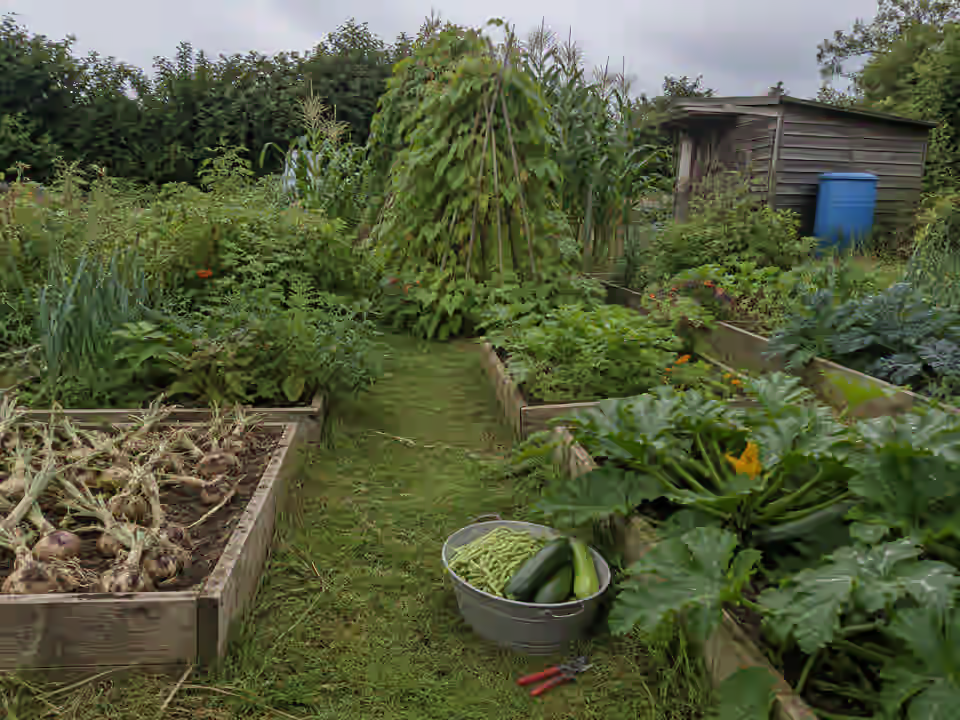
Sow spring cabbage in the middle of the month. The window is roughly ten days and it is the only sowing that feeds you next March and April. Otherwise: pick daily, freeze what you cannot eat, and start clearing and re-sowing the beds that have finished.
What should you sow in August?
A short list, and every single thing on it is aimed at the far side of winter rather than at this year.
| Crop | Where | Depth | Spacing | Ready |
|---|---|---|---|---|
| Spring cabbage | Seedbed or modules, mid August | 1cm | Plant out September at 15cm | March to May, next year |
| Overwintering salad | Direct, from mid August | 1cm | Thin to 15cm | October, then again in March |
| Land cress | Direct | 1cm | Thin to 15cm | Right through winter |
| Corn salad | Direct | 1cm | Thin to 10cm | November to April |
| Winter spinach | Direct | 2cm | Thin to 15cm | October, then again in spring |
| Turnips | Direct, early August | 2cm | Thin to 12cm | October |
| Rocket and oriental leaves | Direct | 1cm | Thin to 20cm | September to November |
| Green manure | Direct, on any cleared bed | Scatter and rake in | Broadcast | Dig in or cover in spring |
Land cress and corn salad are the two things that genuinely stand outdoors all winter with no protection. Almost nobody grows them, and they are the difference between a bare February and a salad.
What should you plant out in August?
| What | When | Spacing | Worth knowing |
|---|---|---|---|
| Strawberry runners | All month | 40cm apart, rows 75cm | Peg the runners down into pots first, then cut them free once rooted |
| Spring cabbage | From late August into September | 15cm apart | Close spacing on purpose. Take alternate plants as spring greens |
| Overwintering onion sets | Very end of the month | 10cm apart | A few weeks earlier than maincrop sets, for a June harvest |
What can you pick in August?
Everything, all at once. This is the month the freezer earns its keep.
| Crop | How often | Worth knowing |
|---|---|---|
| Courgettes | Daily now | A plant in full flow makes a picking sized fruit in 48 hours |
| Runner and French beans | Every two days | Blanch and freeze the surplus the same day. Three days later they are not worth it |
| Tomatoes | Every few days | Pick anything showing colour and finish it indoors, ahead of blight |
| Onions | Early August at the latest | Get them dried and under cover before the wet sets in |
| Second early potatoes | As needed | Lift the lot by the end of the month if blight is about |
| Sweetcorn | From late August | The tassel goes brown and a squeezed kernel runs milky, not watery |
| Beetroot and carrots | As needed | Pull alternate roots to let the rest size up |
| Raspberries, autumn fruiting | From late August | These crop until the first frost |
Which jobs matter most in August?
- Sow spring cabbage in the middle of the month. This is the one with a real deadline
- Pick every visit, and blanch and freeze beans the same day
- Clear finished beds and get something into them within the week
- Order garlic and overwintering onion sets now, before the varieties sell out
- Cut out the fruited canes of summer raspberries and tie in the new ones
- Keep watering squash, sweetcorn and anything in pots. Everything else can cope
The small job that decides next March
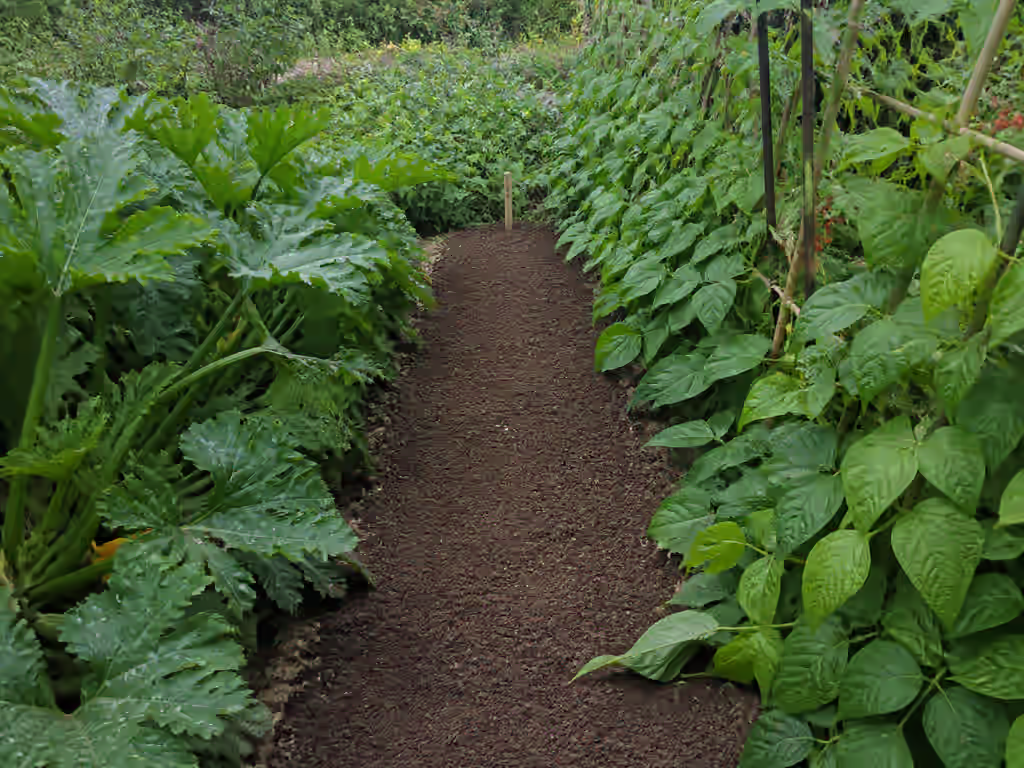
In the middle of August, clear a strip about a metre long, rake it level and sow a short row of spring cabbage. It takes twenty minutes and it feels completely pointless while you are stepping over courgettes to do it.
It is the narrowest window in the growing year. Sown in the first week of August the plants get too big before winter, run to flower in the first warm spell of spring and give you nothing. Sown in September they never get big enough to survive, and sit there all winter as seedlings. Roughly 10 to 20 August is the target, and it shifts a week later in the south and a week earlier in the north.
Plant them out in September at 15cm apart, which is deliberately close. Through March you cut every other plant as loose spring greens, and the ones left behind have 30cm each and heart up properly for April and May.
This one row, plus the purple sprouting and kale you sowed in May, is essentially the entire answer to the hungry gap. Both jobs happen when the plot is at its most crowded and both feel like they can wait. Neither can.
What is not worth doing in August?
Do not sow anything for this year except salad. Beans, courgettes and roots sown now will not finish before the light goes, whatever the packet says.
Do not leave cleared beds bare. Bare soil over a British winter loses nutrients, grows weeds and slumps. Sow green manure, or cover with cardboard and compost, but do not just walk away from it.
Do not go on holiday without asking someone to pick. A fortnight away in August turns a courgette plant into three marrows and stops it producing for the rest of the season.
Questions that come up
The four asked most in August.
Exactly when should I sow spring cabbage?
Aim for 10 to 20 August, a week later in the far south and a week earlier in the north of Scotland. It is the tightest sowing window in the year and there is no second chance at it.
What do I do with the beans I cannot eat?
Slice, blanch for two minutes, cool in iced water, drain and freeze flat on a tray before bagging. Twenty minutes at the sink handles a full trug and those beans are genuinely good in January.
My sweetcorn cobs are only half filled. Why?
Poor pollination, almost always because it was grown in a row rather than a block. Sweetcorn is wind pollinated and needs at least a three by four block for the pollen to reach every silk.
Should I cut the tops off my potatoes if there is blight about?
Yes. Cut the foliage off at ground level and take it off the plot. Leave the tubers in the ground for two more weeks so the skins set, then lift on a dry day. This stops the spores washing down onto the crop.
The narrow windows, in the week they are open.
Spring cabbage in August, garlic in October, broad beans in November. One email a month.
One email a month. Unsubscribe any time. How we look after your details.
Where to go next
Next month
The turn of the year: clearing, covering and the last sowings.
Drowning in courgettes
What to do with the glut, and how to stop it next year.