The allotment in November
The plot goes quiet. There is one sowing worth making, a fortnight of clearing to finish, and then the first month of the year when there is genuinely nothing you have to do.
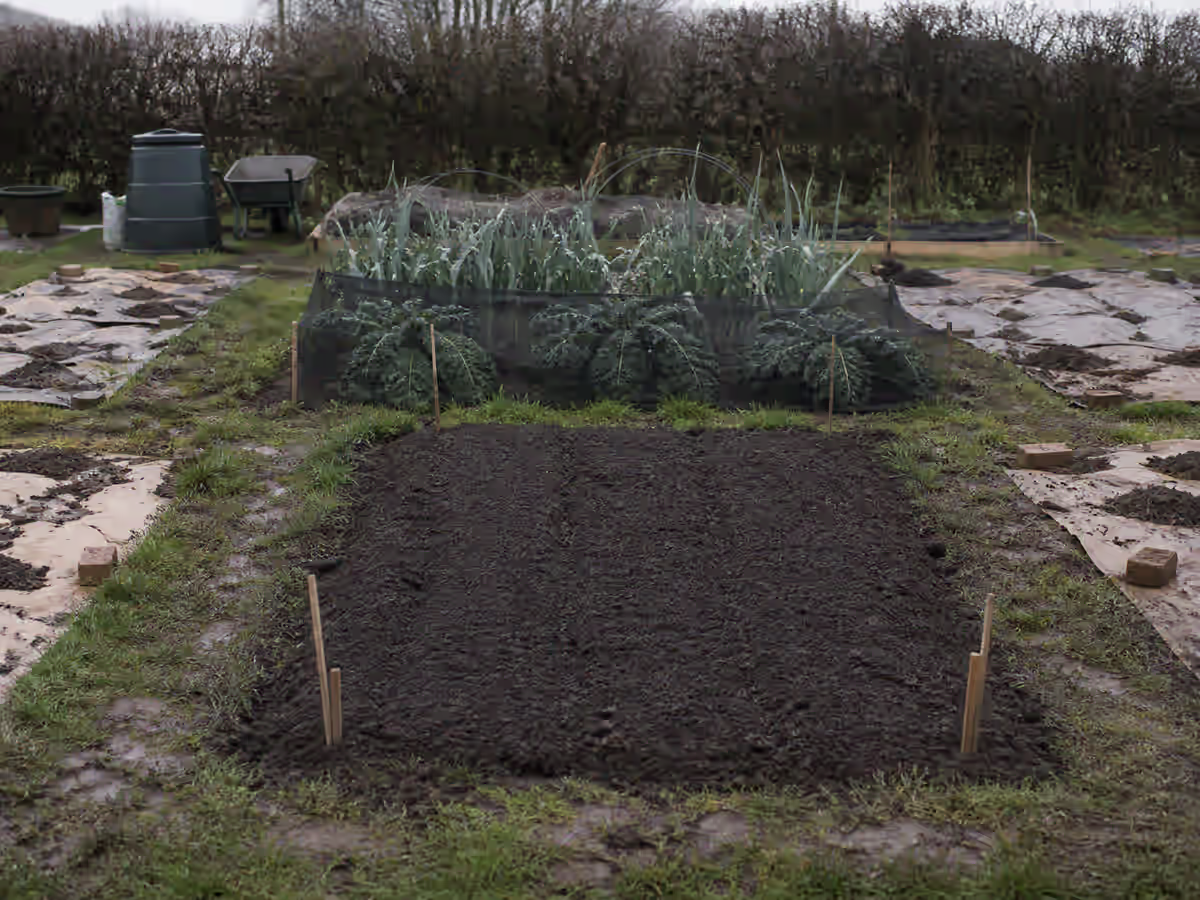
Sow broad beans in the first half of the month. They crop three weeks earlier than a spring sowing and the blackfly never catch them. Finish covering the beds, check the stored crops, and firm any brassicas the wind has rocked loose. Then stop.
What should you sow and plant in November?
Two things, really. Broad beans are the one worth making an effort for.
| Crop | Where | Depth | Spacing | Ready |
|---|---|---|---|---|
| Broad beans | Direct, first half of the month | 5cm | 20cm apart, double rows 25cm apart | Late May |
| Garlic | Direct, still fine all month | Tip 5cm down | 15cm apart | July |
| Bare root fruit | Direct, any frost free day | As the plant needs | As the plant needs | Year two onward |
| Rhubarb crowns | Direct, any frost free day | Crown level with the surface | 90cm apart | Year two, lightly |
| Sweet peas | Cold frame, in root trainers | 2cm | One per tube | June |
Choose a hardy broad bean variety for an autumn sowing. Aquadulce Claudia is the one most people use and it earns its reputation.
What can you pick in November?
The winter plot takes over completely this month, and if you sowed for it in June and August there is plenty here.
| Crop | How it is doing | Worth knowing |
|---|---|---|
| Leeks | At their best | Lift as needed. They keep better in the ground than in a shed |
| Parsnips | Improving with every frost | Frost converts starch to sugar. They are genuinely better after a cold snap |
| Brussels sprouts | Ready | Work up the stem from the bottom |
| Kale | At its best | Frost sweetens it noticeably |
| Winter cabbage and savoy | Ready | Cut and leave the stump for spring greens |
| Celeriac | Ready | Lift as needed, mulch over the rest |
| Chard and perpetual spinach | Slowing down | Cut sparingly now and it comes back in March |
| Land cress and corn salad | Ready | The two salads that genuinely stand outdoors all winter |
Which jobs matter most in November?
- Sow the broad beans in the first half of the month
- Finish covering every bare bed with cardboard and compost
- Check stored onions, potatoes and squash, and pull out anything going soft
- Firm brassicas back in where autumn wind has rocked the roots loose
- Clean, sharpen and oil the tools before they sit in a damp shed until March
- Clear the last of the summer growth into the compost bay and turn it
Why broad beans go in now rather than in spring
Broad beans are one of very few crops that genuinely prefer being sown in autumn, and the reasons are worth understanding because they explain a lot about how the rest of the year works.
A November sowing germinates, makes a small plant about 10cm high, and then more or less stops until February. Through that time it is quietly putting roots down. When the light returns it is already established and grows away hard, and it crops from about the third week of May. A February sowing does all of that from a standing start and crops in late June.
That three week difference lands exactly where it matters. Late May is the tail of the hungry gap, so an autumn sown broad bean is often the first substantial thing you pick all year.
The other advantage is blackfly. Blackfly arrive on the soft growing tips in late spring. An autumn sown plant is already podding up by then and the tips can be pinched out without losing anything. A spring sown plant is still growing when they arrive and takes the full hit.
Sow in a double row, 20cm between plants and 25cm between the two rows, with about 60cm to the next double row. The double row means the plants hold each other up, which matters far more on a windy plot than any staking you do later.
What is not worth doing in November?
Do not sow broad beans in the north or on a heavy wet plot if the ground is already sodden. They rot rather than wait. On cold wet clay, sow into pots in a cold frame and plant out in February instead.
Do not dig. This is the month the advice to dig over and let the frost break it down gets repeated most, and on a half plot it is the wrong advice. Cover instead and let the worms do it.
Do not tidy everything to bare earth. Leave some seed heads, some hollow stems and a corner of rough growth. The ladybirds and lacewings that deal with next summer aphids overwinter in exactly that mess.
Questions that come up
The four asked most in November.
Will mice eat my autumn sown broad beans?
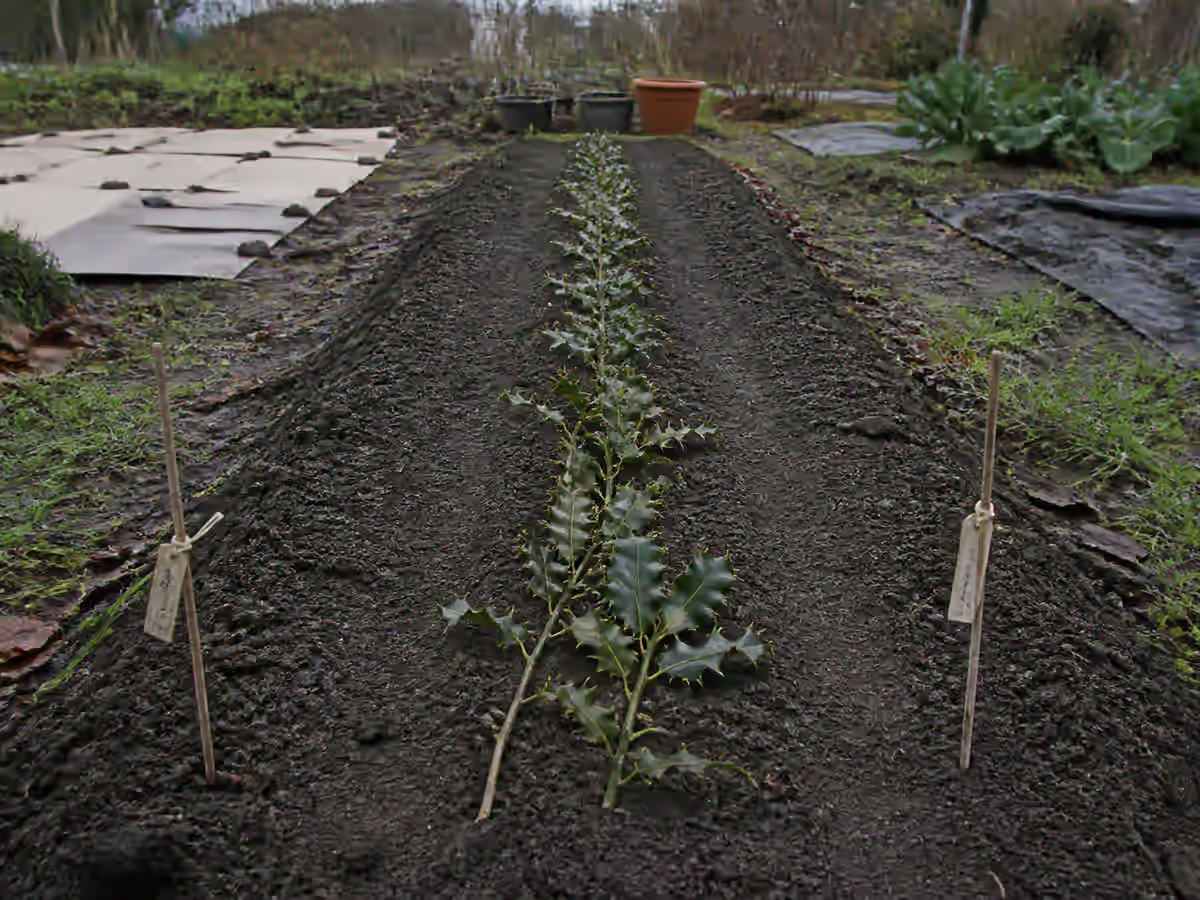
Often, yes, and it is the main reason autumn sowings fail. Sow a few extra at the row ends, or start them in pots in a cold frame and plant out in February. Some people lay holly or prickly prunings along the row, which does help.
Is it too late for garlic?
No. November is still a good month and the cloves will get the cold spell they need. December and even January will still produce a bulb, just a smaller one.
Should I cover the leeks and parsnips?
No need. Both are completely hardy and both improve after frost. The only reason to throw fleece over parsnips is to stop the ground freezing so solid you cannot get a fork in.
My purple sprouting is falling over. What do I do?
Firm it back in hard with your heel and, if the plot is exposed, put a cane in and tie the stem to it. Brassicas rock loose in autumn wind and a loose root plate means a poor crop in February.
Two jobs a month through winter, and no more than that.
What actually needs doing, sent on the first of the month. Nothing invented to fill space.
One email a month. Unsubscribe any time. How we look after your details.
Where to go next
Plan the next one
Winter is when next year gets decided. Here is the method.