The allotment in April
The month the plot looks worst and the month most people give up. There is almost nothing to pick, everything sown is weeks off, and the frost is not finished with you yet.
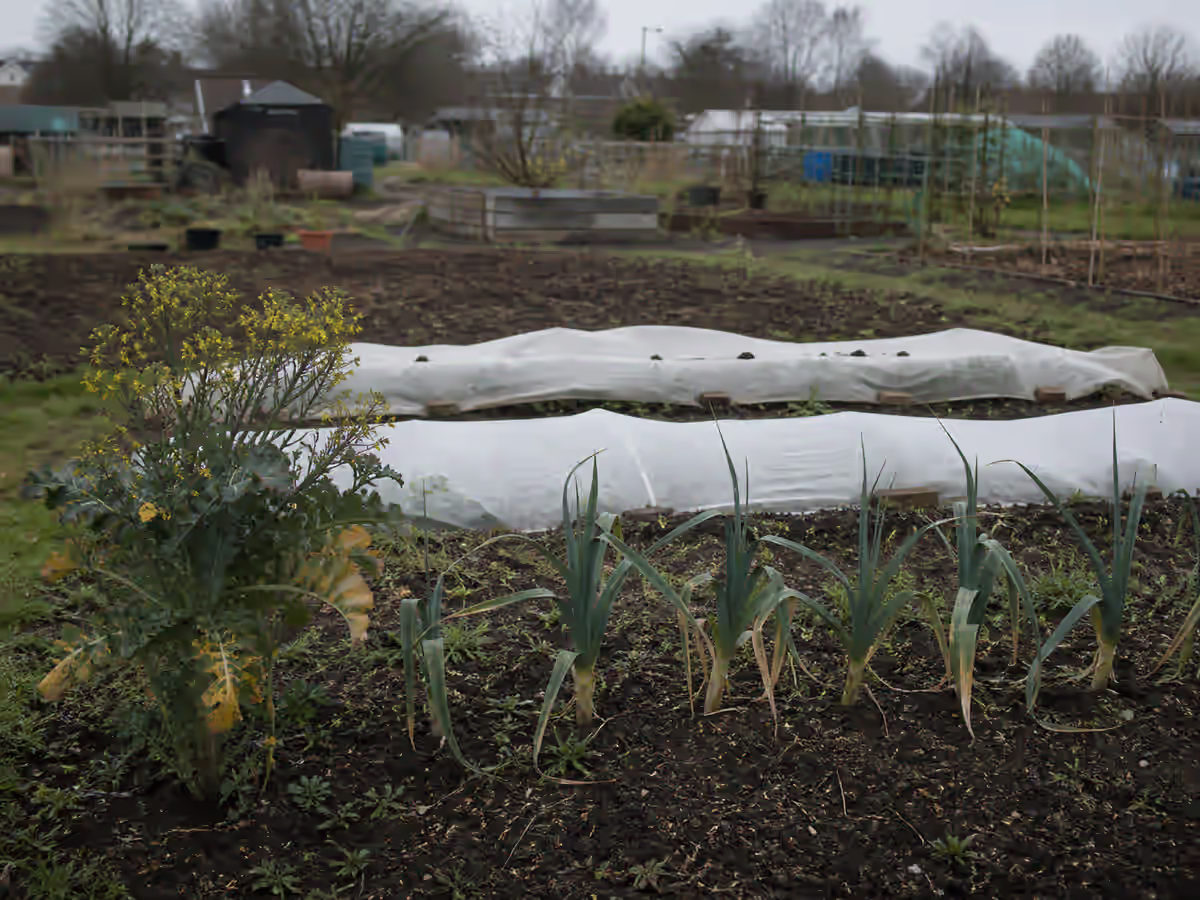
April is the hungry gap at its worst. Sow maincrop carrots, beetroot, peas and salad direct, and start courgettes and beans indoors at the end of the month. Earth up the potatoes and keep fleece within reach, because a clear night in late April still takes the tops off them.
What should you sow in April?
The busiest sowing month of the year, and the one where soil is finally warm enough for most things to go straight in the ground.
| Crop | Where | Depth | Spacing | Ready |
|---|---|---|---|---|
| Carrots, maincrop | Direct, under fleece against carrot fly | 1cm | Thin to 5cm, rows 30cm | August onward |
| Beetroot | Direct | 2cm | 10cm apart, rows 30cm | July |
| Peas | Direct | 4cm | 7cm apart in a wide drill | Early July |
| Parsnips | Direct, fresh seed | 2cm | Thin to 15cm | October onward |
| Salad leaves and rocket | Direct, a short row every three weeks | 1cm | Thin to 10cm | Five weeks |
| Swede | Direct, late April | 2cm | Thin to 25cm, rows 40cm | October |
| Turnips | Direct | 2cm | Thin to 12cm | Six to eight weeks |
| Leeks | Seedbed | 1cm | Thin to 2cm | November onward |
| Courgettes and squash | Indoors, late April | 2cm, on their edge | One per 9cm pot | Plant out end of May |
| Runner and French beans | Indoors, late April | 5cm | One per pot | Plant out end of May |
| Sweetcorn | Indoors, late April | 2cm | One per pot | Plant out end of May |
Sow courgette and squash seed on its edge rather than flat. It rots less often that way.
What should you plant in April?
| What | When | Spacing | Worth knowing |
|---|---|---|---|
| Second early and maincrop potatoes | Early April | 37cm apart, rows 75cm | Maincrops need more room and more time than earlies |
| Onion sets | Up to mid April | 10cm apart, rows 30cm | After mid April they bulb up small |
| Summer cabbage and calabrese | From modules, late April | 45cm apart | Firm them in hard with your heel, then net immediately |
| Asparagus crowns | Early April at the latest | 45cm apart | Still no cutting until year three |
What can you pick in April?
This is the thinnest table of the year, and there is no way of dressing it up. April is the hungry gap.
| Crop | How it is doing | Worth knowing |
|---|---|---|
| Purple sprouting broccoli | Finishing, going to flower | Cut every few days or it is over |
| Spring cabbage | The mainstay of the month | Take alternate plants as greens |
| Kale shoots | The overlooked one | When kale bolts it throws tender shoots. Snap them at 12cm, before the buds open |
| Brussels sprout tops | Good | The leafy crown at the top of a finished sprout plant is the best greens on the plot |
| Rhubarb | At its best | Pull, never cut |
| Asparagus | From late April | Only from a bed in its third year or later |
| Overwintered salad | If you sowed it in September | Land cress and corn salad are the two that actually stand |
If this list is empty on your plot, that is normal in year one. The fix is sown in May and August, not in April.
Which jobs matter most in April?
- Earth up the first early potatoes as soon as the shoots break the surface
- Keep fleece where you can reach it after dark, and use it on any clear still night
- Thin carrots and beetroot on a still evening, and remove the thinnings from the plot
- Net the brassicas properly. Pigeons take a whole bed in a morning at this time of year
- Hoe weekly. Every weed hoed now is fifty you do not pull in June
- Harden off anything started indoors, over a week to ten days, before it goes out
The frost that catches almost everyone
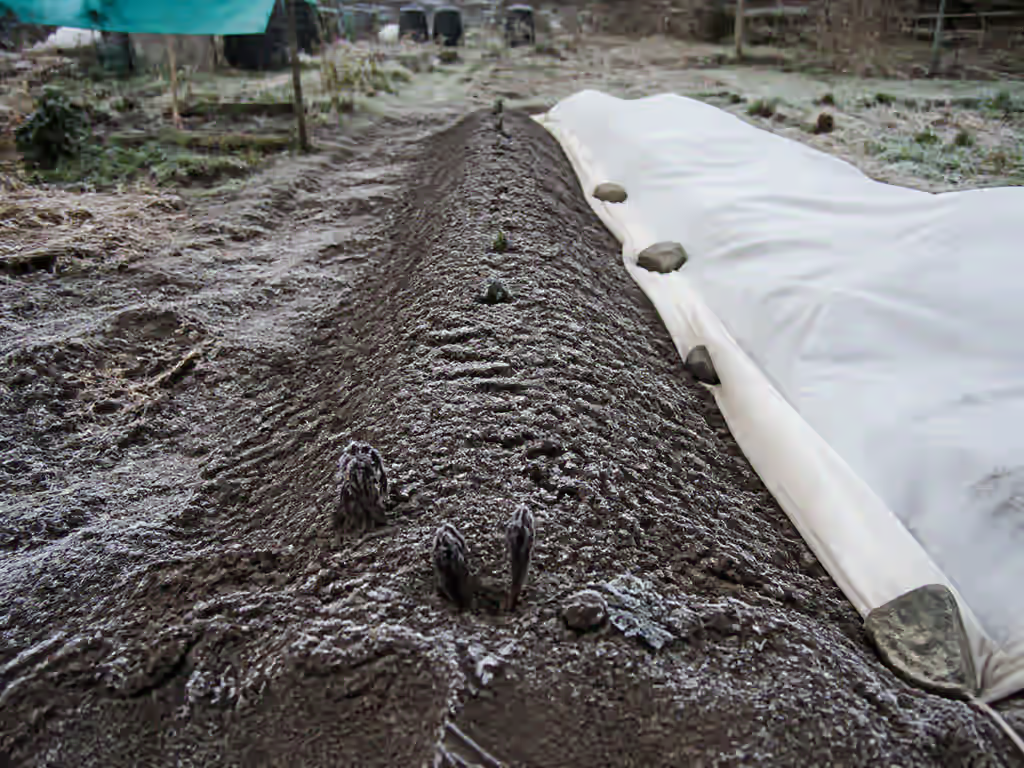
The average last frost date across most of England is somewhere between mid April and mid May. In Scotland, the north of England and anywhere at altitude it is late May and sometimes early June. Averages are not promises, and a clear still night in the last week of April will take the tops off potatoes and kill a courgette outright.
The nights that catch you are the clear ones with no wind. Cloud holds heat in. A still, starry, calm evening in April after a warm day is exactly the setup for a ground frost by dawn.
Potatoes recover from a frosting, but it sets them back two to three weeks and costs you a chunk of the crop. So earth them up over, or throw fleece across the row. It takes four minutes.
Tender things do not recover at all. A courgette or a runner bean planted out on a warm Easter weekend and frosted a fortnight later is simply dead, and you start again three weeks behind where you would have been if you had waited.
What is not worth doing in April?
Do not plant out tender crops, however warm the Easter weekend is. Courgettes, beans, sweetcorn, squash and tomatoes all wait until the end of May outdoors.
Do not panic sow to fill the empty beds. The emptiness in April is a storage and planning problem from last summer, not something this month can fix. Sowing more now just moves the glut to August.
Do not give up. This is the month people hand plots back, three weeks before everything they sowed comes good.
Questions that come up
The four asked most in April.
Why is there nothing to pick when everything is growing?
Because everything you can see was sown in the last six weeks and needs another six to ten. The crops that feed you in April were sown the previous May and August. It is a planning gap rather than a growing gap.
My potato shoots got frosted. Have I lost them?
No. They look black and horrible and they regrow from the tuber. You lose two to three weeks and some yield. Earth over the blackened growth and leave them to it.
Is it too late to sow parsnips?
No, mid April is a good time. Parsnip sown into warmer soil germinates more evenly than a March sowing into cold ground, and it usually catches up by June.
Everything is bolting at once. Why?
Because they are all responding to the same signal, which is day length rather than temperature. Overwintered brassicas, leeks and chard are all programmed to flower as the days pass a certain length in April, whatever the weather is doing.
The May sowing that decides next April.
Purple sprouting in May, spring cabbage in August. One email a month, in the week it matters.
One email a month. Unsubscribe any time. How we look after your details.
Where to go next
Next month
The busiest month of the year, and the sowings that close next April s gap.
Why April is like this
The full explanation, and every fix, in one guide.