The allotment in March
The month everything starts, and the month most people overdo it. First early potatoes go in, the seedbeds open, and the temptation is to sow the entire box in one weekend.
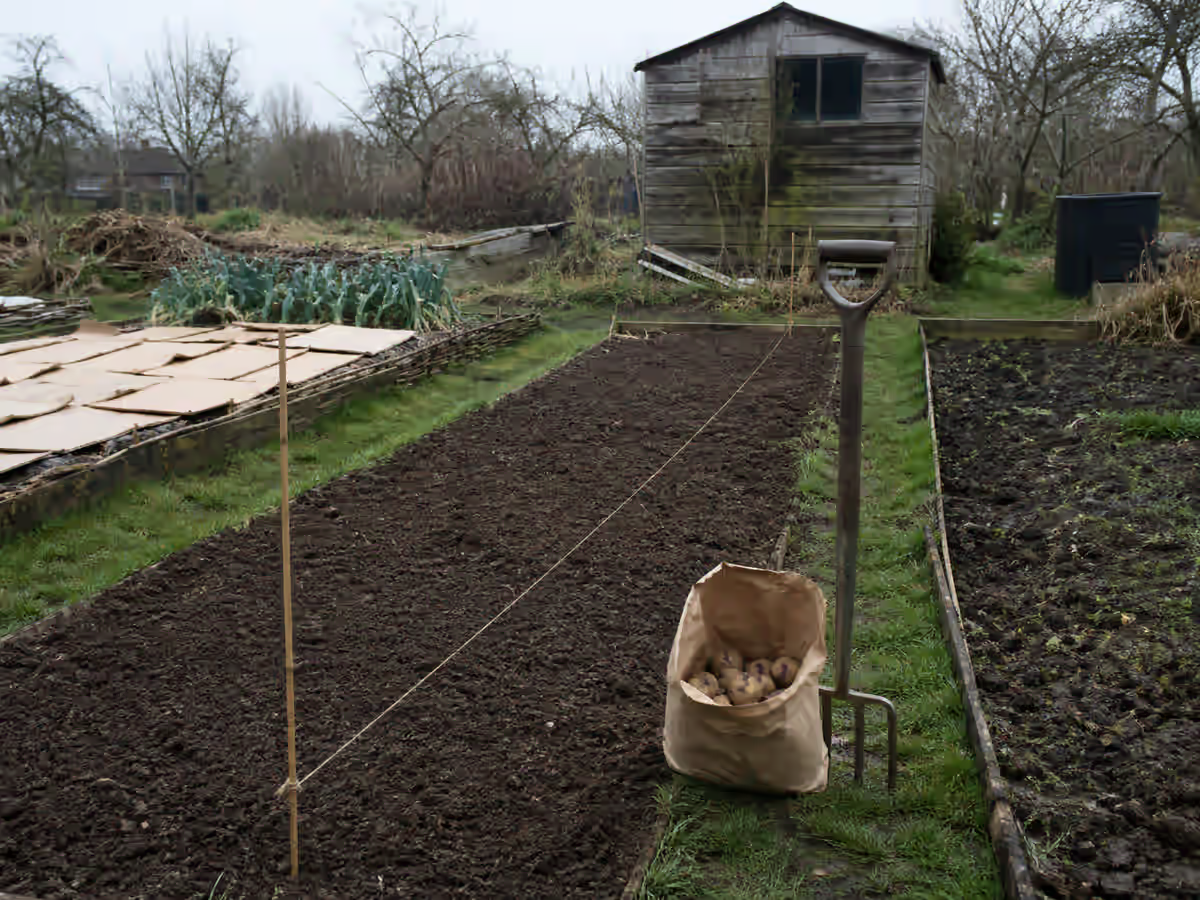
Plant first early potatoes from the middle of the month and onion sets alongside them. Sow broad beans, peas, parsnips, rocket and the first salad direct. Start brassicas in modules. Sow little and often rather than everything at once, because a March glut of seedlings becomes an April problem.
What should you sow in March?
The soil is finally warm enough for some things to go straight in. If it is still cold and wet where you are, wait a fortnight. Nothing sown into cold mud gets ahead.
| Crop | Where | Depth | Spacing | Ready |
|---|---|---|---|---|
| Broad beans | Direct | 5cm | 20cm apart, rows 45cm | Late June |
| Peas | Direct | 4cm | 7cm apart in a wide flat drill | Early July |
| Parsnips | Direct, fresh seed only | 2cm | Three seeds every 15cm, thin to one | October onward |
| Rocket and salad leaves | Direct | 1cm | Rows 15cm, thin to 10cm | Five weeks |
| Spring onions | Direct | 1cm | Thin to 2cm, rows 20cm | June |
| Beetroot | Direct, from late March | 2cm | 10cm apart, rows 30cm | June |
| Carrots, early | Direct under fleece | 1cm | Thin to 5cm, rows 30cm | Late June |
| Leeks | Seedbed or modules | 1cm | Thin to 2cm in a seedbed | November onward |
| Brassicas for summer | Modules, cold frame | 1cm | One per cell | July onward |
| Tomatoes | Indoors, bright and 18C | 1cm | One per cell | August |
Sow a third of the salad and beetroot seed now and the rest in two more goes, three weeks apart. This one habit prevents most of the July glut.
What should you plant in March?
The big one. First early potatoes are the crop that makes a new plot feel like it is working.
| What | When | Spacing | Worth knowing |
|---|---|---|---|
| First early potatoes | Mid March in the south, late March in the north | 30cm apart, rows 60cm, 12cm deep | Chitted shoots upward. Earth up as soon as the tops show |
| Onion sets | Mid March to mid April | 10cm apart, rows 30cm | Tip just showing. Net for a fortnight or the birds pull them out |
| Shallots | Now, at the latest | 18cm apart | Each one makes a clump of six to eight |
| Asparagus crowns | Late March | 45cm apart in a trench | No cutting for two full years. It then crops for twenty |
What can you pick in March?
Thin, and getting thinner. This is the front edge of the hungry gap.
| Crop | How it is doing | How to pick it |
|---|---|---|
| Purple sprouting broccoli | At its best | Cut spears every few days. Left alone for a week it flowers and stops |
| Spring cabbage | Starting | Take alternate plants as loose greens, leave the rest to heart up |
| Leeks | Running up | Use them all this month. A leek with a hard core in the middle has gone |
| Kale | Good, before it bolts | Keep taking the tops |
| Forced rhubarb | Ready | Uncover the crown once you have had three or four pulls |
| Chard and perpetual spinach | A last burst | It will run to seed in April, so use it now |
Which jobs matter most in March?
- Plant the first early potatoes and mark the row ends before you forget where they are
- Rake one bed to a fine tilth for the seedbed and keep it covered until you sow
- Net the brassica bed before anything goes in it, not after
- Hoe the first flush of annual weeds on a dry day, while they are still tiny
- Uncover the forced rhubarb once you have had a few pulls, and feed it
- Put fleece somewhere you can reach it at short notice. March frosts still come
Planting first earlies, properly
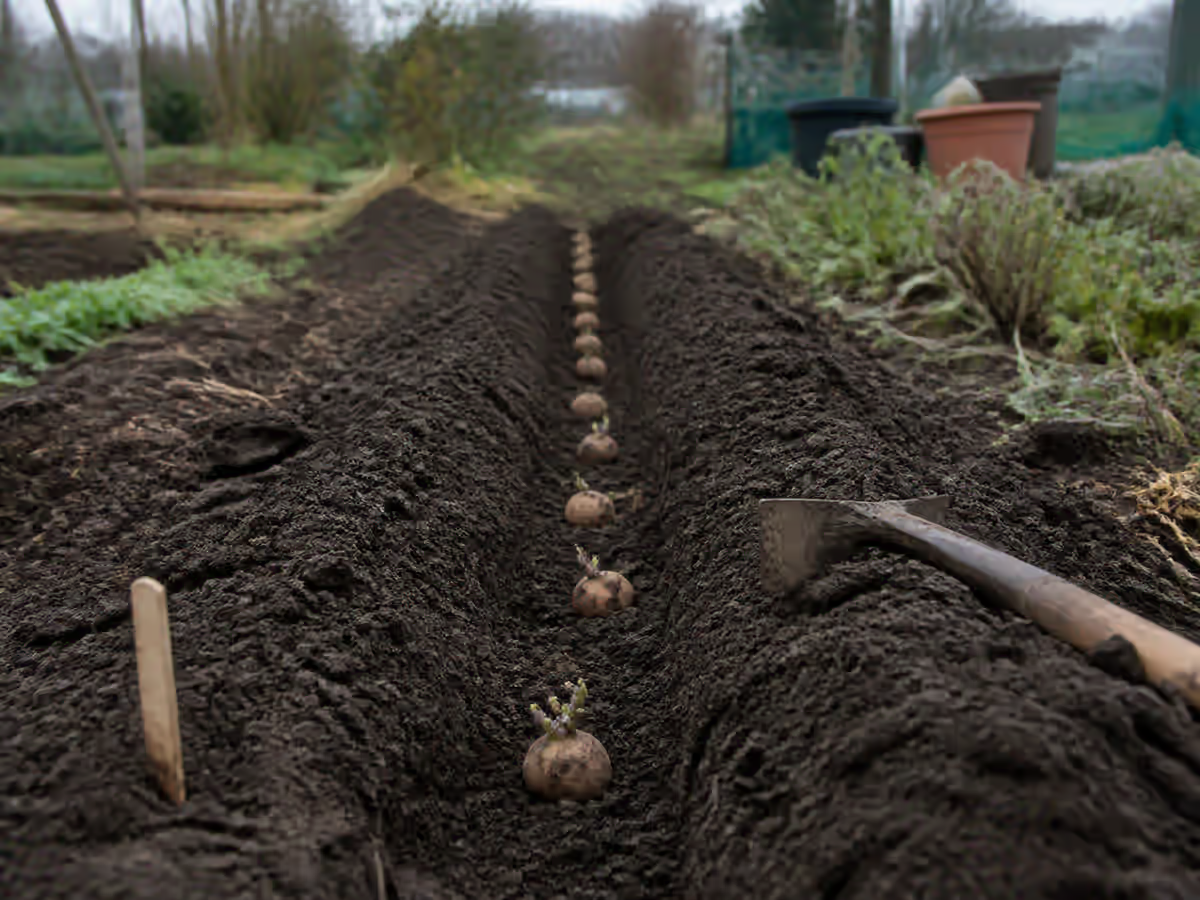
Take out a drill about 12cm deep with a draw hoe, or dig individual holes. Set the tubers 30cm apart with the shoots pointing up, and leave 60cm between rows so you have soil to earth up with later.
Do not add manure to the trench. Fresh manure under potatoes encourages scab and, on a half plot, the bed almost certainly does not need it. A scatter of general fertiliser along the row is plenty.
Cover them and then leave them alone. The moment the first dark shoots break the surface, pull soil up over them from both sides until they are buried again. That is earthing up, and it does three jobs at once: it protects the shoots from frost, it stops light reaching the developing tubers and turning them green, and it buries a flush of weed seedlings.
Two or three earthings up between April and June is normal. After that the foliage closes over and the crop looks after itself until you lift it in late June.
What is not worth doing in March?
Do not sow the whole packet. This is the single most common March mistake and it produces forty lettuces that are ready in the same week, followed by nothing for a month.
Do not plant out anything tender. Courgettes, beans, sweetcorn and tomatoes all die at the first frost, and the last frost is late May in most of the country and early June in the north.
Do not sow carrots into rough ground. They fork on stones and fresh manure. If the bed is not fine and stone free, grow them somewhere else or leave them until April.
Do not rush parsnips. They germinate slowly and unevenly in cold soil, and a mid April sowing catches up with a March one almost every year.
Questions that come up
The four asked most in March.
How deep do I plant potatoes?
About 12cm to the top of the tuber, then earth up as they grow. The depth at planting matters less than the earthing up afterwards, which is what actually keeps the crop covered.
My parsnip seed has not come up after three weeks. Is it dead?
Probably not. Parsnip regularly takes three to four weeks, and longer in cold soil. It is also the one seed that genuinely does not keep, so if the packet is from a previous year, that is the more likely explanation.
Should I dig the beds before sowing?
No need on established beds. Pull the surface to a fine crumb with a rake and sow into that. Digging brings up a fresh layer of weed seed and breaks up the structure the worms have spent the winter building.
Can I plant onion sets and garlic in the same bed?
Yes, they are the same family and belong in the same rotation group. Keep them together so the whole group moves on one bed next year. Just remember the garlic comes out in July and the onions in August, so plan what follows them.
A nudge on the first of the month, when it still helps.
What to sow, plant and pick, once a month. Written for a half plot and two hours a week.
One email a month. Unsubscribe any time. How we look after your details.
Where to go next
The five to start with
If this is your first March, grow these and leave the rest.