Growing onions, garlic and shallots
The group that asks least of you and stores longest. Planted once, weeded occasionally, and eaten from July right through to the following May.
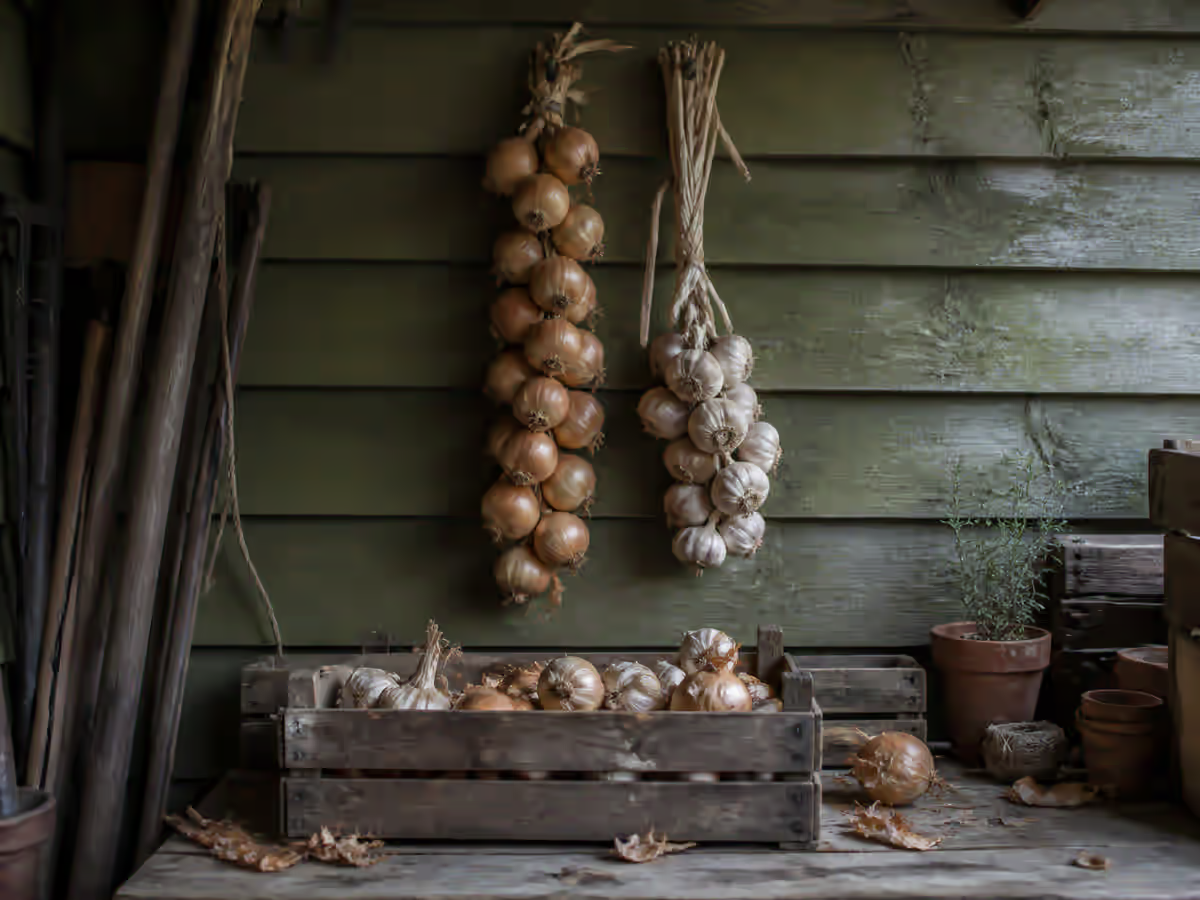
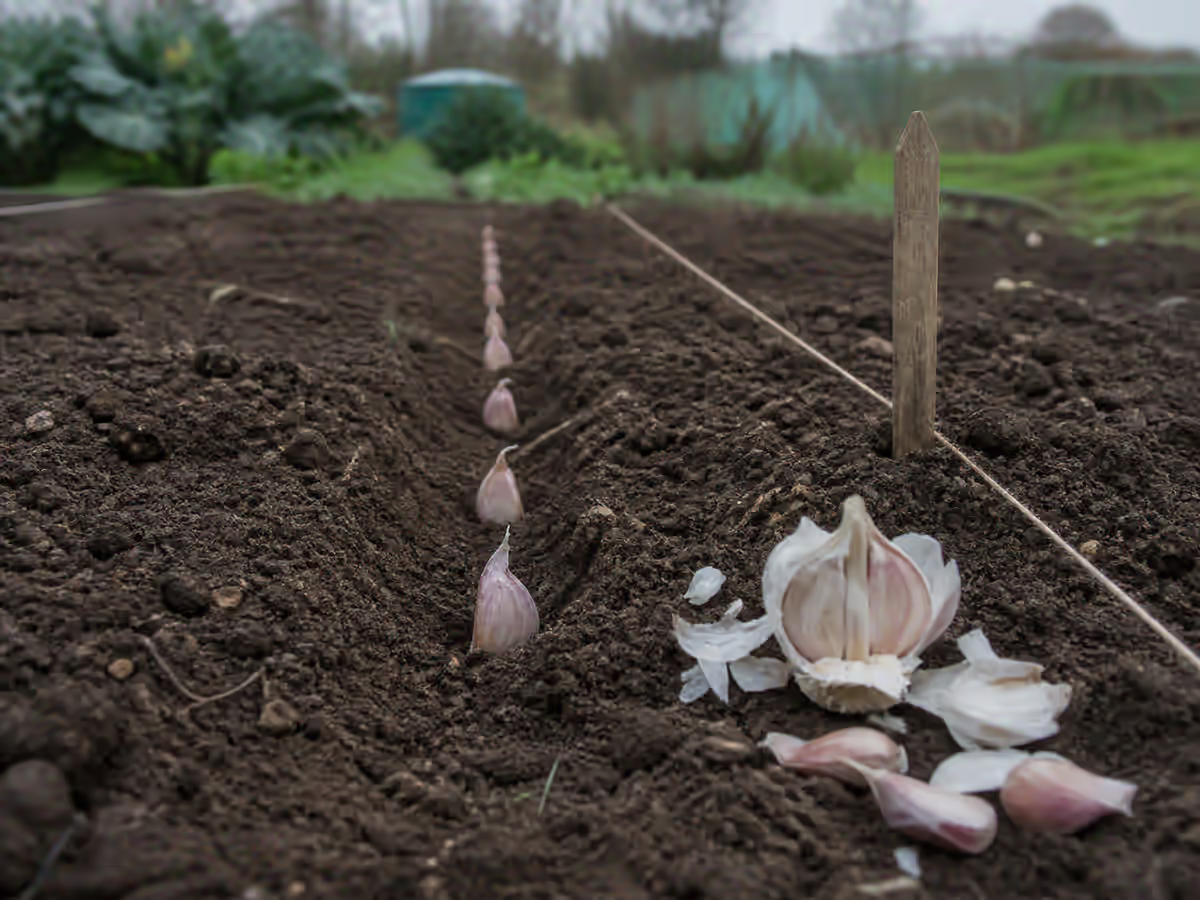
Plant onion sets mid March to mid April, 10cm apart in rows 30cm apart, tip just showing. Plant garlic in October, 15cm apart, tip 5cm down. Lift onions when the tops flop, garlic when the lower leaves yellow. Dry both for two to three weeks or they will not keep.
Onions, garlic and shallots at a glance
| Onion sets | Garlic | Shallots | Overwintering onions | |
|---|---|---|---|---|
| Plant | Mid March to mid April | October | February to March | September to October |
| Spacing | 10cm apart, rows 30cm | 15cm apart, rows 30cm | 18cm apart, rows 30cm | 10cm apart, rows 30cm |
| Depth | Tip just showing | Tip 5cm below the surface | Tip just showing | Tip just showing |
| Harvest | Late July to August | July | July | June |
| From one 3m by 1.2m bed | 6kg to 9kg | About 40 bulbs | About 60 bulbs | 5kg to 8kg |
| Stores until | March | May, sometimes June | March | Use first, keeps less well |
Garlic is the best value crop on the whole plot. Twenty minutes in October, no attention at all, and it is still in the kitchen the following May.
Why garlic goes in during October
Garlic needs a spell below about 10C for a month or more before it will split into cloves. That cold requirement is the whole reason it is an autumn crop rather than a spring one.
Plant in October and it gets the winter it needs, then races away in spring and makes a proper segmented bulb. Plant in March and in a mild spring it often does not get enough cold, and you lift one solid round bulb instead. Perfectly edible, but not what you wanted.
Split the bulb into cloves on the day you plant, not before, and plant only the fat outer cloves. Clove size going in is the strongest single predictor of bulb size coming out, so the small inner ones belong in the kitchen.
Buy seed garlic rather than a supermarket bulb. Supermarket garlic is usually a warm climate variety that never got the cold it needed, and it frequently carries virus.
Getting them through to spring
Drying is the part that decides everything, and it is the part most often rushed. A badly dried onion goes soft in November. A well dried one is still firm in March.
- Wait for the tops to fold over on their own. Do not bend them over yourself, it seals the neck early and shortens storage
- Ease the bulbs up with a fork so the roots break, then leave them on the surface for a few dry days
- Move them somewhere airy and under cover for two to three weeks: a rack, a bench, a pallet on bricks
- They are ready when the neck is papery and tight and the skin rustles
- Cut the tops to about 3cm, or plait them while the leaves are still flexible
- Check the whole lot once a month and pull out anything soft before it spreads
Any bulb with a thick soft neck will not keep. Put those in the kitchen first and do not bother storing them.
What goes wrong?
| Problem | What you see | What to do |
|---|---|---|
| Birds pulling sets out | Sets lying on the surface a day after planting | Net the bed for a fortnight until the roots take hold. It is the commonest early loss |
| Bolting | A hard flower stem up the middle of the bulb | Caused by a cold check after planting. Use heat treated sets, and do not plant too early. Bolted bulbs will not store, so eat them first |
| Onion white rot | Yellowing leaves, white fluffy fungus on the base, bulb collapses | No cure. It persists in soil for many years. Never grow alliums in that bed again and clean tools carefully |
| Leek rust | Orange streaks on the leaves | Mostly cosmetic. Strip affected leaves, do not compost them, and move the group along the rotation |
| Thick soft necks | Neck stays green and fleshy at lifting | The bulb was lifted too early or grown too rich. It will not store. Use it within weeks |
| Small bulbs | Everything is golf ball sized | Usually planted too late, spaced too close, or lost to weed competition. Onions cannot compete with weeds at all |
Sets or seed?
Sets are small immature bulbs planted in spring. They are the right choice on a half plot: quick, reliable, forgiving of poor soil, and about eight weeks ahead of seed. The drawback is a slightly higher bolting rate and a smaller choice of varieties.
Seed is cheaper by a wide margin, gives you a much larger range, and produces bulbs that store a little better. But it needs sowing indoors in January in a propagator, pricking out, hardening off and planting out in April, which is three extra jobs in the busiest part of the year.
Unless you are growing a lot of onions or chasing a particular variety, sets are the sensible answer. Fifty sets cost a few pounds and take about twenty minutes to plant.
Questions that come up
The five asked most about the onion family.
Can I plant garlic in spring?
Yes, but expect a smaller bulb and often a single round rather than a segmented head, because it will not have had enough cold. If you missed October, plant in November, December or even January rather than waiting for spring.
Why are my onions so small?
Almost always weed competition, late planting, or spacing that was too tight. Onions have shallow sparse roots and no ability at all to compete with weeds. Keep the bed clean and give them their 10cm.
Should I bend the tops over to ripen them?
No. This is old advice that keeps circulating. Bending the necks over yourself damages them and shortens how long the bulbs keep. Wait until they fold on their own, which they will.
Do onions and garlic go in the same rotation group?
Yes, along with shallots and leeks. Keep the whole allium group together so it moves as one bed each year. Remember garlic comes out in July and onions in August, so plan what follows.
Can I plant the shop bought garlic that has sprouted?
It will grow, but it is a gamble on variety and disease. For the price of one packet of seed garlic you get a variety chosen for the British climate and a guarantee it is virus free.
Where this comes from
Most of this page is what has actually worked on one half plot, which is worth exactly what that is worth. The claims below are not opinion, and you should not have to take our word for them.
- RHS, Onion white rot, on the sclerotia that sit dormant in the soil for fifteen years and germinate only when they detect an allium
Last reviewed 17 August 2026.
Written by Sam
Eight years on a half plot in Nottinghamshire. Four beds, two water butts, about two hours a week, and most of what is on this site tried twice before it worked. Dates here suit most of England and Wales, because that is where the plot is. Where a page makes a claim you could check for yourself, it links to the source.
The jobs with a real deadline, in the month they fall.
Garlic in October, onion sets in March, drying in July. One email a month.
One email a month. Unsubscribe any time. How we look after your details.
Where to go next
What else to grow first
Onions are one of the five that make sense in year one.